
Stock futures sink after rate cut, new virus restrictions
Stocks are set for more turbulence following a dizzying week that saw the Dow twice fall by more than 2,000 points and also record it’s biggest point gain ever—1,985 points on Friday.
To refine your search through our archives use our Advanced Search
Stocks are set for more turbulence following a dizzying week that saw the Dow twice fall by more than 2,000 points and also record it’s biggest point gain ever—1,985 points on Friday.
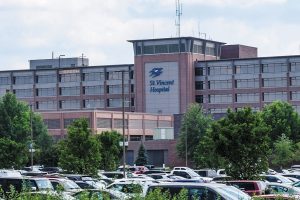
Ascension St. Vincent, Community Health and Franciscan Health have confirmed plans to restrict elective procedures to shore up critical supplies and keep the virus from spreading.
The Trump administration announced Sunday that some of the most vulnerable Americans will be able to get tested for the coronavirus from cars starting this week—a less ambitious program than the swift nationwide testing campaign President Trump promised Friday.
The central bank said the effects of the outbreak will weigh on economic activity in the near term and pose risks to the economic outlook.
Pickup orders and deliveries will still be permitted, but dining rooms must shut to try to slow spread of COVID-19.
The deal makes changes for the 2020 season and runs for 10 years after that, through the 2030 season. It brings some significant changes to the sport.
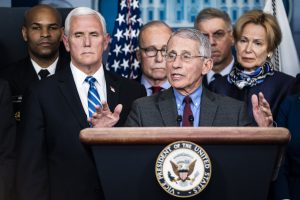
But Dr. Anthony Fauci said travel restrictions within the United States, such as to and from hard-hit Washington state and California, probably will not be needed anytime soon.
The dense crowds Saturday at some of the 13 airports where travelers from Europe are being funneled—among the busiest across the country—formed even as public health officials called for “social distancing” to stem the spread of the pandemic.
Across the country, consumer spending—which supports 70% of the economy—is grinding to a halt as fears of the escalating coronavirus pandemic keep people from stores, restaurants, movie theaters and workplaces.
It was a fortuitous decision by legislative leaders heading into January to seek adjournment sine die by March 11 or 12.
Trump also told reporters at a White House briefing that he had his temperature taken before stepping into the room and it was “totally normal.”
Holcomb signed an executive order meant to speed up deliveries to retailers, which are running short of supplies, by lifting regulations on the number of hours that commercial drivers can work.
Agreement calls for spending tens of billions of dollars on sick leave, unemployment insurance, food stamps and other measures to address the unfolding COVID-19 crisis.
The party leaders did not suggest any delay in the May 5 primary itself.
Investors have been clamoring for strong action from the U.S. government to combat the economic impact of the virus outbreak.
Speaking from the Rose Garden, Trump said, “I am officially declaring a national emergency.” He said the emergency would open up $50 billion for state and local governments to respond to the outbreak.
The fund, called the Central Indiana COVID-19 Community Economic Relief Fund, received a $15 million donation from Lilly Endowment Inc. and $500,000 contributions from three other organizations.
State Health Commissioner Kristina Box said Indiana has more coronavirus cases than the 12 that have been confirmed, but she doesn’t believe the virus has become a widespread problem yet because hospital systems aren’t overwhelmed with cases.
Increasingly, as the planet warms, pressure is building from environmentalists, investors, consumers and the general public for corporate America to do something about it.

In addition to helping eliminate risks to your operations, being a good environmental steward has many other benefits to businesses large and small. Having a successful environmental stewardship program can boost employee morale, enhance a company’s brand image, promote creativity and innovation among employees, increase community awareness of environmental stewardship and generate cost savings.