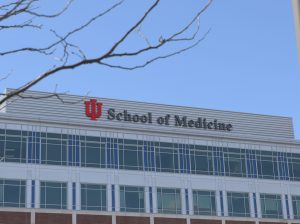
Four of the five research studies that received the most National Institutes of Health funding at the school were for Alzheimer’s disease research, one of the school’s top research priorities.
Lilly said it selected Concord, North Carolina, because of the manufacturing technology experience of the local labor force; its proximity to universities with strong science, technology, engineering and math programs; and its access to major transportation infrastructure.
The Food and Drug Administration is poised as soon as Monday to restrict two monoclonal antibodies, saying the COVID-19 treatments should not be employed in any states because they are ineffective against the dominant omicron variant, according to two senior administration health officials.
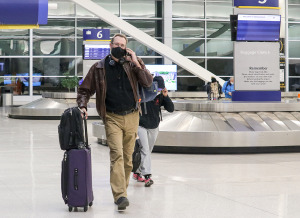
Not only do you have to rearrange plans to visit customers or attend conferences, but you suddenly need to isolate in a hotel room, find restaurants that deliver, and perhaps reschedule flight and hotel plans.
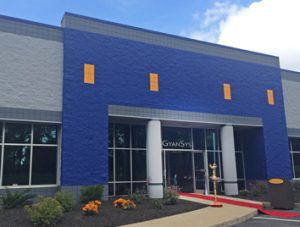
With the acquisition of British Columbia-based Groundswell Cloud Solutions, GyanSys now has more than 250 employees who work in the firm’s Salesforce practice.
The federal government has resumed shipping all three monoclonal antibody treatments—including one made by Indianapolis-based Eli Lilly and Co.—that are authorized for early-stage COVID-19 to states despite evidence that two might be ineffective against the omicron variant.
Germany-based pharmaceutical giant Merck on Thursday announced it has signed a definitive agreement to buy Indianapolis-based drug contract manufacturer Exelead Inc.
Easy-to-take antiviral pills, authorized just before Christmas, were hailed as a potential turning point in the fight against the coronavirus because of the medicines’ ability to keep high-risk people out of the hospital.
The pharmaceutical giant has quietly returned to making political contributions to 14 Republican lawmakers who voted against certifying the 2020 election results, according to a report issued Monday by watchdog group Accountable.US.
By Christmas, nearly 63% of adult Hoosiers had been vaccinated, with 36% of adults having received a booster shot. But among all Hoosiers eligible (including children 5 years and older), only about 52% of the state’s population over the age of 5 had been fully vaccinated, putting Indiana near the bottom among states.
Eli Lilly’s blockbuster drug for osteoporosis, Forteo, could face generic competition from Indian drugmaker Sun Pharmaceuticals if the company can get a federal judge to declare that a Lilly patent won’t be infringed.
Indianapolis tourism officials say the city’s convention and events business should be almost fully recovered by the end of 2022—at least based on projections for attendance and economic impact.
Indianapolis-based Eli Lilly and Co. has inked a research collaboration and licensing agreement with Regor Therapeutics Group that could be worth up to $1.5 billion.
For the past year, Indiana employers have faced the challenge of whether to enforce COVID-19 vaccination mandates on workers who say the vaccines violate their religious beliefs.
People who could benefit from the antibody drug include cancer patients, organ transplant recipients and people taking immune-suppressing drugs for conditions like rheumatoid arthritis.
Courtney Roberts previously spent 14 years with Eli Lilly and Co., most recently as the director of social impact for the company’s global health philanthropic partnerships.
The biggest policy change—a system for Medicare to negotiate prices for prescription drugs—won’t begin to deliver lower costs until 2025, and then only for a selected set of 10 medicines, as well as insulin products.