
Lilly migraine drug provides relief in late-stage trials
Lilly is in a race with several pharmaceutical firms to develop migraine treatments using an approach known as anti-CGRP and that could create a multibillion-dollar market.
Lilly is in a race with several pharmaceutical firms to develop migraine treatments using an approach known as anti-CGRP and that could create a multibillion-dollar market.
News that federal regulators rejected Lilly’s drug for arthritis sent the stock tumbling more than 5 percent Monday, and sent surprised analysts searching for answers.
The drug, which has the proposed brand name Olumiant and is approved for use in Europe, was expected to be a big seller.
The federal agency says the Indianapolis doctor studying Pfizer’s Chantix last year failed to keep accurate records and used patients who didn’t meet the trial requirements.
Merck & Co. on Tuesday announced that it will end a study of its once-promising Alzheimer’s disease drug in patients with mild-to-moderate forms of the condition, just three months after Eli Lilly and Co. announced its own setback in a field that’s been littered with failures.
Two local men who have been working on a potential blockbuster treatment for a rare and debilitating disease are hopeful that a major injection of venture capital will provide the boost needed to move the drug to market—even if it means sweeping changes for their company.
One of the bill’s author said it is designed to help parents who are “up against a wall,” and he stressed that it should not be confused as a first step to medical marijuana legalization in the state.
t was the most closely watched experimental drug from Eli Lilly and Co. in years, a potential game-changer for treating the ravages of Alzheimer’s disease.
The company has requested a tax break from Indianapolis officials on the project that would save it about $484,000 over eight years.

Eli Lilly and Co. employees knew the Alzheimer's treatment solanezumab was not a sure bet. But that didn’t make the pain any less acute after the company announced the drug had failed to demonstrate effectiveness during a 2,100-patient Phase 3 clinical trial.

For more than two years, Eli Lilly and Co. has pushed the message that the worst days are over and a brighter future is just around the corner. Now, finally, Wall Street is starting to believe.
Indianapolis-based Elevate Ventures said it made the investment through the 21st Century Research & Technology Fund, which is reserved for Indiana companies.

Named AZD3293, the drug belongs to a novel class of drugs that block production of amyloid, a protein that causes plaque to build up in the brain of Alzheimer’s patients.
Within six months, Eli Lilly and Co. could know whether the Food and Drug Administration has approved its latest drug, baricitinib, a once-a-day tablet for treating rheumatoid arthritis.
Unprecedented results from a cardiovascular study on a diabetes medicine sold by Eli Lilly and Co. turns up the pressure on rival Novo Nordisk, which will release data from a similar study on its competing drug next year.
The experimental medicine, called romosozumab, showed better results than Eli Lilly and Co.’s Forteo after 12 months, Amgen and UCB said in a joint statement Wednesday.
Shares of Eli Lilly and Co. stagnated in Wednesday morning trading as investors and patients wished that the effects of solanezumab were more pronounced. Rival Biogen offered muddy results from its own Alzheimer’s drug.
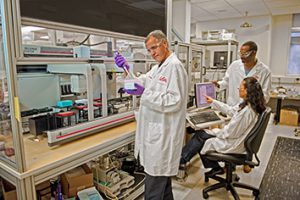
After years of pipeline failures, Eli Lilly and Co. is on a bit of a hot streak. This month alone, the Indianapolis-based drugmaker has reported positive results from clinical trials of four experimental drugs.
The results of an experimental drug for Alzheimer’s disease provide the best evidence so far that the memory-robbing condition is caused by an errant protein in the brain. Drugmakers including Eli Lilly have been concentrating their Alzheimer’s research on that area.
Although the experimental diabetes drug is in final-stage testing and showing promising results, Lilly wants to better understand its effect on liver fat.