

Pharmacist shortages, heavy workloads challenge drugstores heading into busy season
In recent years, drugstores have struggled to fill open pharmacist and pharmacy technician positions, even as many have raised pay and dangled signing bonuses.
In recent years, drugstores have struggled to fill open pharmacist and pharmacy technician positions, even as many have raised pay and dangled signing bonuses.

In just a few months, Shawn Fain has gone from obscurity to one of the most visible leaders in America, demanding that his workers get more concessions from the Big Three automakers after two decades of givebacks.
As Indiana competes with neighboring states for computer-chip and electric-vehicle production plants, some state leaders remain concerned that Hoosiers are ill-equipped to fill the jobs of the future should those corporations decide to locate here.
The report adds to evidence that the U.S. labor market remains resilient even in the face of aggressive Federal Reserve interest-rate increases, though it also comes as various datasets increasingly send conflicting signals.

Employers have new leverage as the labor market has cooled, leaving workers less room to be choosy.

More than ever, Indianapolis-area companies are becoming so-called “second-chance employers” willing to hire people with arrest records and providing additional services to ex-offenders needing first jobs.
Drastic changes in consumer demands are driving labor unrest in diverse industries upended by technology, from actors and writers to UPS delivery drivers.
A strong stock market in the first 18 months of the pandemic boosted the retirement earnings of many Americans, helping to spur the “Great Retirement Boom.” Inflation and others factors have since sent some older Americans back to work.
Tuesday’s National Labor Relations Board ruling broadens the factors considered in the federal government’s test for determining a worker’s status as an independent contractor or an employee.

The executives of corporate America are stepping up efforts to get workers back into the office, using a combination of threats and incentives to get employees to give up the work-from-home lifestyle they adopted in the first years of the COVID-19 pandemic.
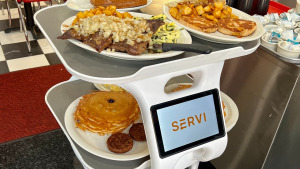
Many think robot waiters are the solution to the industry’s labor shortages. Sales of them have been growing rapidly, with tens of thousands now gliding through dining rooms worldwide. Others say they aren’t much more than a gimmick.
Proponents say paid leave is key to making sure vulnerable workers can take time off when needed without fear of reprisal. Critics say the law will overburden small businesses already struggling amid high inflation.

A January survey of 300 human resources leaders at U.S. companies revealed that 98 percent of them say software and algorithms will help them make layoff decisions this year.

Cummins, Rolls-Royce, Eli Lilly and Co., AES and Elevance Health are among the city’s largest downtown employers and all say most of their workers have the option of working at home at least part of the time.

Compensation has long been a taboo topic around most watercoolers, but that’s changing as more states are forcing companies to open up about their salaries.
It’s one of the company’s biggest-ever round of layoffs and adds to tens of thousands of other job losses recently announced by Microsoft, Amazon, Facebook parent Meta and other tech companies as they tighten their belts amid a darkening outlook for the industry.
Employers are holding on to their workers despite the Federal Reserve’s efforts to slow the economy and tamp down inflation.

Howdy Homemade Ice Cream’s goal is to provide more jobs to people with an intellectual or developmental disability. But it also wants to help other employers see people with disabilities as a dependable workforce.
MakeMyMove recently closed on a $2 million investment from angel investors. The company, founded by Angie’s List cofounder Bill Oesterle and former Angie’s list exec Evan Hock, offers a marketplace where remote workers can browse relocation incentives from communities around the U.S.
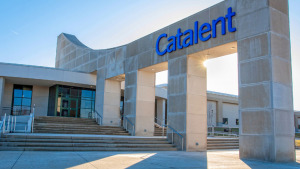
Since 2020, Catalent had been rapidly expanding operations as it produced vaccines for both Johnson & Johnson and Moderna Inc.