
Wages jump by the most on records dating back 20 years
The data further illustrates the rising leverage workers have gained in the job market this year, and they are commanding higher pay, more benefits, and other perks like flexible work hours.
The data further illustrates the rising leverage workers have gained in the job market this year, and they are commanding higher pay, more benefits, and other perks like flexible work hours.
Fewer students have been entering the accounting profession, and a salary gap between accounting and other financial professions means those accounting students might be lured to a different field.
Economists point to a range of factors that are likely keeping millions of former recipients of federal jobless aid from returning to the workforce. Many Americans in public-facing jobs still fear contracting COVID-19, for example. Some families lack child care.
Facebook has agreed to pay penalties over findings that the company’s hiring practices intentionally discriminated against Americans in favor of foreign workers, U.S. officials said Tuesday.

We asked the Fast 25 companies: What makes your company a good place to work? Their answers included some familiar themes as well as a few surprises.

Host Mason King talks with IBJ workplace columnists Garrett Mintz, founder of consulting firm Ambition in Motion, and Mandy Haskett, a leadership consultant at Carmel-based Advisa, about how companies can engage with workers in a way that encourages them to stay in their jobs.
The numbers are staggering: The child-care services industry is still down 126,700 workers—more than a 10 percent decline from pre-pandemic levels, Labor Department data shows.
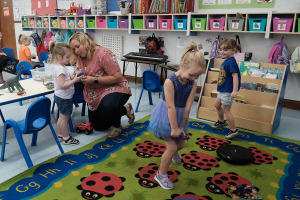
Child care centers across the state are scrambling to find enough workers to meet demand and parents are struggling to find a child care provider with a vacancy.

At emergency rooms across central Indiana, “No Vacancy” signs are flashing on at unprecedented rates.
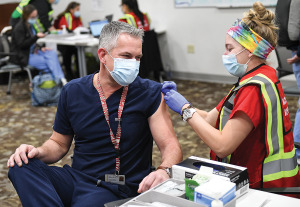
The clock is ticking for workers at large hospital systems across central Indiana to get vaccinated for COVID-19 or risk losing their jobs.

Some large downtown employers say they expect most or all of their workforce to return to the office full time. Others say they’re adopting hybrid models that offer employees the option to work remotely at least part of the time.
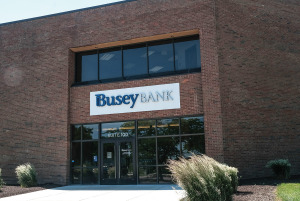
Busey Bank says it has lost more than $100 million in loans to a competitor because of “brazen and systematic poaching” of its employees.
The bill would lead to Juneteenth becoming the 12th federal holiday. It is expected to easily pass the House, which would send it to President Joe Biden for his signature.
A lack of chips, computer not tortilla, is wreaking havoc on the already beleaguered restaurant and bar industry.

Shaken by protests and social unrest in cities across the country in 2020, employers in particular ramped up diversity commitments within their organizations.

Companies are offering plenty of incentives to encourage their workers to get COVID vaccinations, but few, if any, are requiring the shots as a condition for coming back to work—or, in the case of new hires, for getting a job offer.

Local restaurant owners battling a nationwide labor shortage are using alternative recruiting techniques and financial incentives to try to staff a returning dinner rush.

A 2014 study found that, on average, 37% of immigrants working in urban America had co-workers who were also immigrants.
The Biden administration nullified a Trump-era rule Wednesday that would have made it easier to classify workers as independent contractors, blocking a change supported by delivery and ride-hailing services.
Labor Secretary Marty Walsh said that a lot of gig workers are misclassified as contractors on Thursday, sending stocks of tech companies such as Uber, Lyft and DoorDash falling amid speculation about the future of the fraught business model.