
House panel passes utility energy-efficiency bill
An Indiana House committee has approved a proposal that would reduce state oversight of the energy-efficiency programs of major utilities.
An Indiana House committee has approved a proposal that would reduce state oversight of the energy-efficiency programs of major utilities.
Indianapolis experienced one of the fastest gains in car-less households of any major city in a recent five-year period, according to U.S. Census data compiled by a University of Michigan researcher.
The rate of bike commuting in Indianapolis has more than doubled since 2000, but many cyclists still don’t know—or follow—some basic guidelines that can keep them safe.
Indiana Gov. Mike Pence will let a bill that eliminates an energy-conservation program become law without his signature, prompting harsh words from environmental leaders who opposed the bill.
Two giant corporations that sell products that save electricity want Gov. Mike Pence to veto a bill that would halt the program called Energizing Indiana.
Ball State University officials are preparing to stop burning coal at the campus steam plant as the school pushes ahead with its partial conversion to geothermal energy.
TThe House voted 66-30 to amend the bill with language that prohibits the Indiana Utility Regulatory Commission from extending or entering into contracts for Energizing Indiana’s statewide energy efficiency program after Dec. 31
The measure would allow industries that are Indiana's biggest energy users to pull out of the Energizing Indiana program, which provides energy-efficiency assessments and tips for saving energy and lowering utility bills.
More than one homeowner has been convinced to cut home energy bills by replacing windows or installing radiant barriers in their attic.
Indianapolis has become a more bike-friendly city, and city planners are looking to ensure the progress continues. The Metropolitan Development Commission will vote Oct. 16 on a bicycle master plan that lays out a host of educational and policy initiatives to encourage two-wheeled transportation.
Indiana’s largest power companies are set to reimburse their customers $32 million after falling short on spending for energy efficiency last year.
Other than bragging rights and a plaque on the wall, what’s the value of energy and environmental design certification for the city and taxpayers?
In a sign of the rising popularity of natural gas engines, the Indianapolis-based distributor of alcoholic beverages will make 85 of its 105 trucks run on natural gas by 2015.
IUPUI unit has ambitious plans even as namesake prepares to step down from long-held seat in Congress.
The city is guaranteed $7.5 million in savings over 15 years from a $18 million upgrade of city facilities, and the savings are expected to accumulate further.
A coalition of vegetable growers, including one from Indiana that contains Red Gold Inc., wants U.S. regulators to study the potential damage facing their fields from a new generation of herbicide-tolerant crops.
Eventually, the system will heat and cool 5.5 million square feet of buildings and save $2 million a year in operating costs.
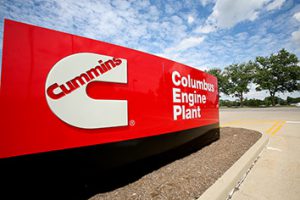
Cummins has invested about $10 million in 70 projects in its Indiana facilities since 2007, leading to annual savings of $4 million.
Ford touts new models of electric and hybrid vehicles in seminar co-sponsored by the Greater Indiana Clean Cities Coalition, which promotes alternative fuels.
Designation to east-side project would go beyond building certification.