
Hospitals in Hendricks, Hancock counties join forces with Mayo Clinic
The Mayo Clinic Care Network allows small, independent hospitals to tap into the giant health system’s vast system of specialists and researchers to help solve medical problems.
The Mayo Clinic Care Network allows small, independent hospitals to tap into the giant health system’s vast system of specialists and researchers to help solve medical problems.

The health system announced Thursday morning it will build a 95,000-square-foot clinic on a site that previously housed a 59-year-old retail center anchored by a long-closed Value City Department Store.
Dr. Brian Leon filed a lawsuit this month against Indiana University Health Care Associates Inc., alleging breach of contract, unpaid wages, fraudulent misrepresentation and numerous other claims.

The Indianapolis-based health system said the new hospital will bring inpatient and emergency care into the city of West Lafayette for the first time.
Indiana University Health lost $29.8 million, and Community Health lost $28.5 million during the quarter, as both systems postponed surgeries to deal with the rising number of COVID-19 cases.

Community Health Network said the new arrangement with the largest cancer center in the United States will give Hoosiers access to some of the most advanced cancer treatments in the nation.
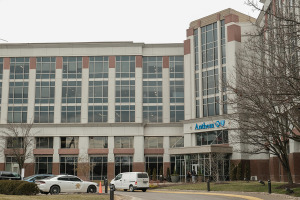
An arbitrator ordered the payments, and the hospitals say they can claim at least another $12 million from Anthem for tens of thousands of additional claims that it says the insurer has downgraded and not paid in full.

The planned expansion of IU Health Saxony—which will be renamed IU Health Fishers—will more than double the number of inpatient beds. It will also add new and expanded services.
Indianapolis-based Birge & Held envisions a 160-unit apartment community for seniors of limited means on roughly 3.3 acres at 1621 W. 86th St.
When it comes to who is responsible for the high cost of health care, many of the organizations pointed fingers to different players in the wide-ranging industry.
Admissions, patient days, emergency room visits, outpatient surgeries and outpatient visits with physicians all climbed last year for Community Health Network. The only decreases were for inpatient surgeries and virtual appointments.
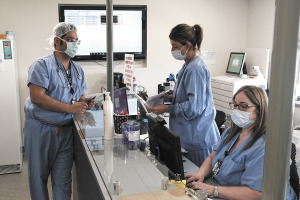
Rural hospitals have long struggled to stay afloat. But now, the sector is facing a wave of closings under additional financial pressures, some caused by the pandemic that has strained resources.

After more than six years of planning, Indiana University Health is moving forward with the next step of its new, $1.6 billion flagship hospital downtown, which will soar up to 16 floors above the street.
A leading critic of IU Health said the huge contribution appears to be a way to make the hospital system’s profits drop below $1 billion last year as it faces higher scrutiny from the Indiana General Assembly and other groups for its high fees and large profits.

The health system said the funding plan will “support community health initiatives and education and workforce development programs statewide, including neighborhoods around its downtown Indianapolis campus.”

A U.S. Navy team that was dispatched to Methodist Hospital in Indianapolis to help relieve overwhelmed staffers during a surge in COVID-19 cases has wrapped up its deployment after 60 days.

The fines are one way Medicare is clamping down on hospitals, using penalties and incentives authorized by the Affordable Care Act to push for better outcomes, fewer safety problems and a lower number of readmissions.
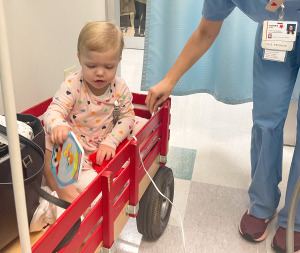
Most of Indiana’s hospitals have shelved elective surgeries—the medically necessary procedures that are normally scheduled at a patient’s convenience and often require an overnight stay, such as tonsillectomies, hernia repairs and hip replacements.
Statewide hospitalizations due to COVID-19 remained below 3,000 on Tuesday since sinking under that mark on Jan. 27, according to numbers posted by the Indiana State Department of Health on Wednesday.

The Indianapolis-based health care system said Thursday afternoon that it has a backlog of thousands of elective surgeries that were postponed due to the pandemic.