

Appeals court upholds Indiana abortion ban
Indiana Attorney General Todd Rokita said in a statement that “this ruling is a resounding victory for life and the rule of law in Indiana.”
Indiana Attorney General Todd Rokita said in a statement that “this ruling is a resounding victory for life and the rule of law in Indiana.”

More than 50 lawmakers earned a perfect mark—all Republicans who generally align with the right-leaning business organization.
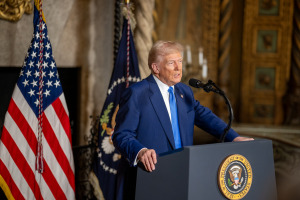
Trump’s One Big Beautiful Bill would extend tax cuts passed in 2017, enact campaign promises such as no tax on tips, spend hundreds of billions of dollars on immigration and defense, and slash social benefit programs including Medicaid.

The law, passed in 2023, covers public meetings held by state boards and commissions; elected school boards; county commissions; and county, city and town councils.
House Republicans narrowly advanced the sprawling package in a rare weekend vote late Sunday, but just barely, as GOP leaders promise more negotiations ahead.

Gov. Mike Braun signed 243 bills into law during this year, including more than 60 on Tuesday. Here’s a rundown of some of the most significant pieces of legislation that made it through this year’s General Assembly.
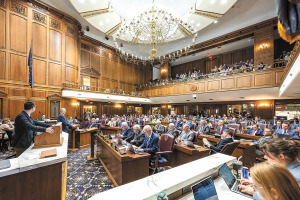
Business owners can expect some tax relief and a new state small business office, but the Indiana Economic Development Corp. will have less money for some of its operations and programs under the next two-year budget.
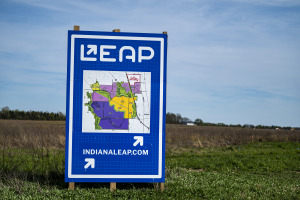
The bipartisan bill requires the IEDC to be more transparent when it makes large land purchases for major projects like the massive LEAP business park in Boone County.

The measure builds on recent education efforts to “reinvent high school,” meaning a curricular change to create additional high school credit pathways in addition to college prep.

Indiana lawmakers discovered this legislative session that performing major financial surgery on multibillion-dollar nonprofit hospital systems is a motley and entangled task.
Around 1:20 a.m. Friday, Indiana lawmakers approved the last bill of the session: the 2026-27 state budget. Here’s what happened with some of the bills we’ve watched this session.

The Indiana Legislature approved a pared-down $46.2 billion state budget bill early Friday morning that will triple the state’s cigarette tax and cut funding for a wide swath of entities and programs.

The nine-member board serves as the governing body for the state’s largest postsecondary institution, overseeing major decisions related to policy, finances and leadership appointments.

The legislation threatens to strip the state’s largest hospital systems of their nonprofit status if their prices exceed state average prices.
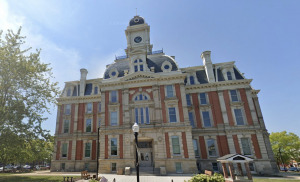
The legislation is meant to reduce caseloads in some of the state’s fastest-growing counties.
The new budget proposal provides more funding for operations and business-promotion support for the Indiana Economic Development Corp., but cuts five funds and programs totaling $35 million.
Indiana lawmakers have discovered this legislative session that performing major financial surgery on multibillion-dollar nonprofit hospital systems is a motley and entangled task.

Gov. Mike Braun’s new executive orders require the state to develop a statewide water inventory and management plan, and establish a body that will spearhead efforts to reclaim rare earth elements from legacy coal byproducts.
The major hurdle will be the budget, which is typically the last bill lawmakers approve before heading home.
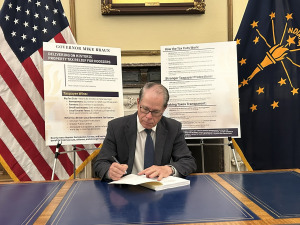
About 15 hours after the Indiana Senate approved a high-profile property tax bill, Gov. Mike Braun signed the legislation, codifying his campaign promise of providing widespread relief to Hoosier homeowners.