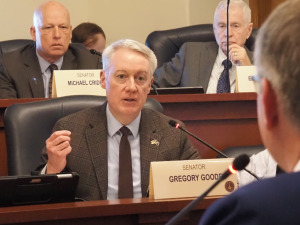
Indiana lawmakers send hospital pricing legislation to Braun
The legislation threatens to strip the state’s largest hospital systems of their nonprofit status if their prices exceed state average prices.
The legislation is meant to reduce caseloads in some of the state’s fastest-growing counties.
The new budget proposal provides more funding for operations and business-promotion support for the Indiana Economic Development Corp., but cuts five funds and programs totaling $35 million.
Indiana lawmakers have discovered this legislative session that performing major financial surgery on multibillion-dollar nonprofit hospital systems is a motley and entangled task.
Gov. Mike Braun’s new executive orders require the state to develop a statewide water inventory and management plan, and establish a body that will spearhead efforts to reclaim rare earth elements from legacy coal byproducts.
The major hurdle will be the budget, which is typically the last bill lawmakers approve before heading home.
About 15 hours after the Indiana Senate approved a high-profile property tax bill, Gov. Mike Braun signed the legislation, codifying his campaign promise of providing widespread relief to Hoosier homeowners.
The legislation threatens to strip large hospital systems of their state nonprofit status if they charge prices exceeding certain averages.
The high-profile property tax legislation has been criticized both for not providing enough homeowner relief and for reducing revenue for local governments.
The Senate must still vote to pass the bill out of its chamber by Tuesday. The House will then decide whether it agrees with the Senate’s changes.
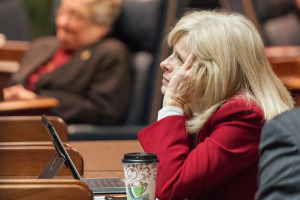
State lawmakers had their final (and for some, especially long) meetings this week as they returned to some of the last and thorniest bills left on their plates.
An Indiana Senate committee voted to amend a bill targeting the cost of health care at nonprofit hospitals, with the new version freezing prices but not imposing penalties for two years.
The governor and legislative leaders have for weeks gone back and forth on the key components of Senate Bill 1.
Gov. Mike Braun, Secretary of Education Katie Jenner and Higher Education Commissioner Chris Lowery are key supporters of the legislation.
To achieve immediate tax relief, the plan would create a credit worth up to $200 on all homeowners’ property tax bills beginning in 2026.
A bill that would tweak language from a 2022 law establishing a filmmaking tax credit might make the languishing credit more likely to attract productions and generate economic activity.
Several of the session’s most important pieces of legislation—including bills affecting the budget, property tax relief and health care transparency—will be heard, amended and passed out of committee next week.
Data center construction has been met with some apprehension, including the low number of jobs produced for the large tax incentives and utility burden these developments require.
Legislative leaders have made clear that they intend to act on Gov. Mike Braun’s central campaign promise to provide property tax relief. However, with less than a month left to pass a solution, leaders have yet to announce agreement on an approach.
And the first bills are hitting Gov. Braun’s desk for approval.