Chicago Bears say HQ, training facility would not be part of stadium deal in Indiana
Last week, the mayor of Hammond said the NFL franchise had been talking about moving “Halas Hall, everything” to Indiana.
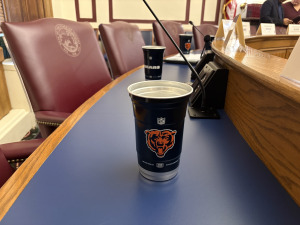
Last week, the mayor of Hammond said the NFL franchise had been talking about moving “Halas Hall, everything” to Indiana.

Lobbyists for billboard companies have recently sought to deregulate the space through state legislation, rather than fighting with local officials who have so far been unwilling to give in to their requests. The debate has spanned several years.
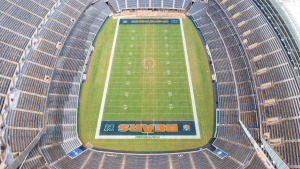
The moves come with just more than a week left in Indiana’s legislative session and as Illinois lawmakers consider legislation meant to keep the NFL team in that state.

The measure directs state officials to scrutinize and potentially eliminate certain low-wage college degree programs offered at Indiana’s public institutions.
Sen. Liz Brown, the Republican who authored Senate Bill 76, on Monday signed off on significant changes the House made to the bill.

The proposal for fewer early voting days was added Monday by the Senate Elections Committee through an amendment; no public testimony was allowed.

House Bill 1333 would require data center developers that receive sales tax exemptions to give 1% of the abatement to local governments.

Critics say the township model is outdated and inefficient and adds an unnecessary layer of government. Legislation from both chambers of the Indiana Statehouse would pare down township government.
Joyce, an Indianapolis native and former André Carson campaign staffer, has stepped into a newly created cabinet role within Mayor Joe Hogsett’s administration.
The bill’s author said it would would eliminate “unnecessary” mandates and “needless” reporting or paperwork requirements.

The bill now moves to the Senate Appropriations Committee, which could consider changes that include narrowing where a casino could be located.
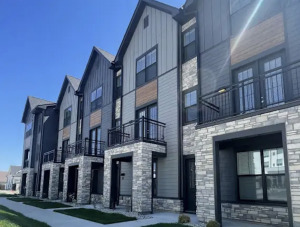
Language buried in a bill about local finances would override ordinances in Carmel and Fishers and prevent other local governments from restricting or banning rental properties.
Gov. Mike Braun signed an executive order for state agencies to keep businesses in mind when setting environmental rules. That directive could soon materialize in changes to rules governing the Indiana Department of Environmental Management.
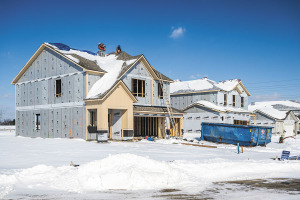
House Bill 1001 would allow single-family houses and duplexes to be approved without a hearing in areas that are zoned residential.

The Senate plan is expected to reduce state tax revenue by about $250 million and apply to 2026 income on tax returns filed in 2027.
The vote comes as immigration enforcement—particularly actions by U.S. Immigration and Customs Enforcement, or ICE—has sparked protests, clashes with law enforcement and heightened political tensions in several states, especially in Minnesota.

Professional sports experts say past NFL stadium deals might offer Indiana lawmakers a few clues to what a Lake County deal could mean for both the team and the state.
Gov. Mike Braun told IBJ on Thursday that he hopes more concrete developments regarding the Chicago Bears’ potential move to northwest Indiana could come “within 10 days or a couple weeks.”

The vote came after little discussion and no testimony—no one from the public signed up to talk about the bill.

Under current state law, students are prohibited from using phones during instructional time, but they can use them during lunch and passing periods.