

Bill roundup: Lawmakers wrap up budget, tackle final, thorny bills
Around 1:20 a.m. Friday, Indiana lawmakers approved the last bill of the session: the 2026-27 state budget. Here’s what happened with some of the bills we’ve watched this session.
Around 1:20 a.m. Friday, Indiana lawmakers approved the last bill of the session: the 2026-27 state budget. Here’s what happened with some of the bills we’ve watched this session.

The Indiana Legislature approved a pared-down $46.2 billion state budget bill early Friday morning that will triple the state’s cigarette tax and cut funding for a wide swath of entities and programs.

The nine-member board serves as the governing body for the state’s largest postsecondary institution, overseeing major decisions related to policy, finances and leadership appointments.

The legislation is meant to reduce caseloads in some of the state’s fastest-growing counties.
The new budget proposal provides more funding for operations and business-promotion support for the Indiana Economic Development Corp., but cuts five funds and programs totaling $35 million.
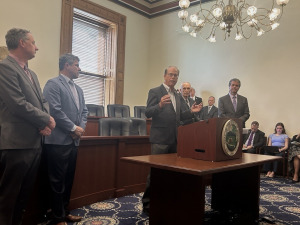
To further close the gap, leaders also said they would reduce planned spending for public health, higher education and government agencies.
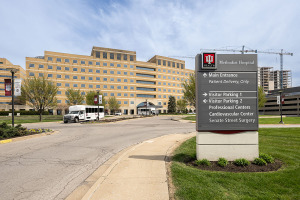
Indiana lawmakers have discovered this legislative session that performing major financial surgery on multibillion-dollar nonprofit hospital systems is a motley and entangled task.

Gov. Mike Braun’s new executive orders require the state to develop a statewide water inventory and management plan, and establish a body that will spearhead efforts to reclaim rare earth elements from legacy coal byproducts.
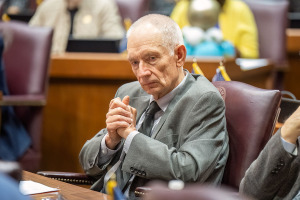
Legislators determined to cut property tax bills for homeowners and businesses are set to leave local officials with difficult choices about whether to cut services or raise income taxes to make up for substantial funding gaps.
The major hurdle will be the budget, which is typically the last bill lawmakers approve before heading home.
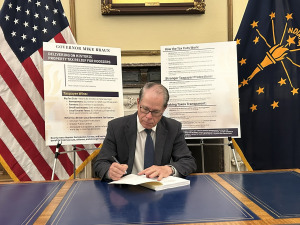
About 15 hours after the Indiana Senate approved a high-profile property tax bill, Gov. Mike Braun signed the legislation, codifying his campaign promise of providing widespread relief to Hoosier homeowners.

The high-profile property tax legislation has been criticized both for not providing enough homeowner relief and for reducing revenue for local governments.
State lawmakers had their final (and for some, especially long) meetings this week as they returned to some of the last and thorniest bills left on their plates.
The governor and legislative leaders have for weeks gone back and forth on the key components of Senate Bill 1.
To achieve immediate tax relief, the plan would create a credit worth up to $200 on all homeowners’ property tax bills beginning in 2026.
A bill that would tweak language from a 2022 law establishing a filmmaking tax credit might make the languishing credit more likely to attract productions and generate economic activity.
The Trump administration is considering cuts or changes to spending on Medicaid, education and other programs that could impact the state budget.
Several of the session’s most important pieces of legislation—including bills affecting the budget, property tax relief and health care transparency—will be heard, amended and passed out of committee next week.

Data center construction has been met with some apprehension, including the low number of jobs produced for the large tax incentives and utility burden these developments require.

Legislative leaders have made clear that they intend to act on Gov. Mike Braun’s central campaign promise to provide property tax relief. However, with less than a month left to pass a solution, leaders have yet to announce agreement on an approach.