Indiana lawmakers still working out logistics of special session, won’t meet Nov. 3
Per Indiana Code, legislators have up to 40 calendar days to conduct business in a special session.
Indiana lawmakers could use the upcoming special session not only to draw new legislative maps but also to head off what tax experts call impending “chaos” for taxpayers and businesses.
Terry Seitz, a former four-term mayor of Jasper, has informed Gov. Mike Braun of his plan to retire from the role of executive director.
A report from the Marion County Grand Jury states the body met twice—on Aug. 18 and Sept. 30—to review evidence involving Indiana Lt. Gov. Micah Beckwith’s office.
The statement repeats the same evaluation last week from Rodric Bray’s office as the White House stepped up its pressure campaign on Indiana lawmakers, particularly Republican senators.
The expected move follows months of lobbying by the Trump administration for Indiana to redraw its congressional map.
Currently, seven of Indiana’s nine districts are represented by Republicans. Advocates of redistricting say that new maps could give the GOP a strong shot at all nine seats.
Budget-writing season has been especially difficult this year in many Indiana cities, towns and counties as elected officials grapple with the effects of a new law that overhauled the tax systems that fund local governments.
The panel discussed a longshot effort to have Indiana absorb several—maybe dozens—of Illinois counties.
That evaluation from Senate President Pro Tem Rodric Bray’s office comes as the White House has stepped up its pressure campaign on Indiana lawmakers.
Although Indiana leans Republican, caucus members argued that Hoosier Democrats should still be represented in Congress.
If approved, the plan would change the ways the state and school districts can merge and disburse federal grant funding.
The Indiana Utility Regulatory Commission Nominating Committee’s members met in executive session Monday and reviewed 47 applications for three open seats on the five-member commission.
The call comes a week after Vice President JD Vance made his second trip to Indianapolis to discuss redistricting with Republicans in the House and Senate.
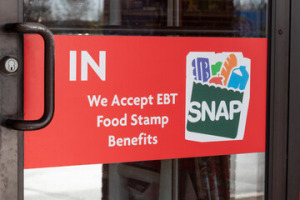
Housing assistance programs are feeling the impact from furloughed public employees, and essential food programs might soon be facing funding problems if the shutdown continues.
State data showed modest wage gains for teachers, but education advocates warned that Indiana’s pay still ranks near the bottom nationally.
Indiana tax collections are running well ahead of projections after three months of the fiscal year, according to the latest monthly revenue report.
States like Indiana must use their own dollars to keep funds flowing to families or let it lapse, a move that could cut benefits for tens of thousands of Hoosiers.
Indiana’s hospital systems could face hundreds of millions of dollars in annual Medicaid reimbursement cuts if the rates they charge to employer-provided insurance plans are higher than thresholds set by Gov. Mike Braun’s administration.
Lawmakers also expressed appetite for ditching the Professional Licensing Agency, an umbrella body overseeing 33 profession-specific licensing entities—like the Board of Pharmacy.