
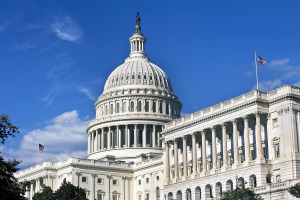
After dramatic vote, Senate pushes ahead on Trump’s tax break and spending cut plan
Republicans are using their majorities in Congress to push aside Democratic opposition, but they ran into a series of political and policy setbacks.
Republicans are using their majorities in Congress to push aside Democratic opposition, but they ran into a series of political and policy setbacks.

The cigarette tax hike is the result of a last-minute compromise by Indiana legislators to address a projected revenue shortfall of $2 billion over the biennium.

The Independent Restaurant Coalition, which represents nearly 100,000 restaurant and bars, has appealed to Congress to reconsider the proposal, which is part of the president’s spending bill.

Some park owners fear ongoing economic uncertainty could keep families from traveling this summer, while tariffs could add extra costs for items like game prizes or parts for rides.

A new analysis estimates that the provision would cost the U.S. 360,000 jobs and $55 billion annually over 10 years in lost gross domestic product.
Central to the package is the GOP’s commitment to extending some $4.5 trillion in tax breaks, as well as spending cuts and work requirements for Medicaid and nutrition assistance.
House Republicans narrowly advanced the sprawling package in a rare weekend vote late Sunday, but just barely, as GOP leaders promise more negotiations ahead.
Overall, the package is touching off the biggest political debate over taxes, spending and the nation’s priorities in nearly a decade.

Major tech companies lobbying to salvage a tax deduction for research and development say they might pull back from high-profile pledges of new U.S. investments if Congress doesn’t fully reinstate the break.

The slowdown in inflation could be a temporary respite as the widespread tariffs are expected to push up prices in many categories.

The Indiana Legislature approved a pared-down $46.2 billion state budget bill early Friday morning that will triple the state’s cigarette tax and cut funding for a wide swath of entities and programs.
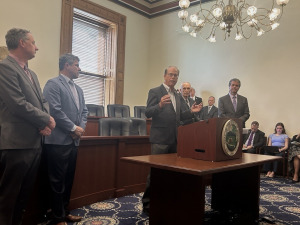
To further close the gap, leaders also said they would reduce planned spending for public health, higher education and government agencies.

The impact of the tariffs also has extended to merger and acquisition activity, with M&A attorneys trying to keep pace with Trump’s starts, stops and pauses.
In order for the decreases to kick in, the legislation stipulates that the state’s revenue must hit certain growth benchmarks.

The program developed during Joe Biden’s presidency was credited by some with making tax filing easy, fast and economical, while others said it was frequently difficult to use.

The high-profile property tax legislation has been criticized both for not providing enough homeowner relief and for reducing revenue for local governments.
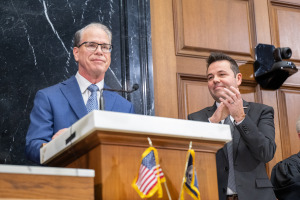
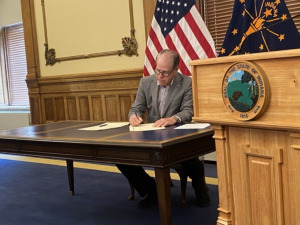
Indiana Gov. Mike Braun is expected to sign the latest version of Senate Bill 1, which supporters say would provide more than $1.4 billion in property tax relief over three years. Critics of the bill say local governments will raise income taxes to make up the difference.
House Democrats accused their GOP colleagues of strong-arming local units of governments into raising local income taxes to make up property tax revenue losses.
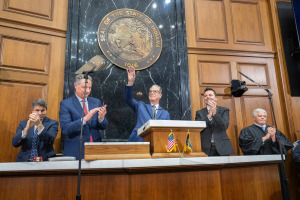
The governor and legislative leaders have for weeks gone back and forth on the key components of Senate Bill 1.
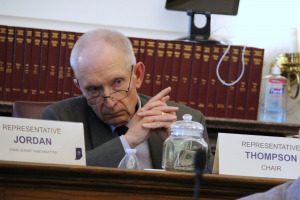
Indiana House Republicans’ property tax reform proposal passed out of committee Monday morning, but demands from Gov. Mike Braun and some Republicans for even more relief could complicate the bill’s future.