Indiana horse racing a $2B industry, study finds
Indiana’s horse racing industry has more than doubled in economic value in the past decade, according to a study led by Purdue University.

Indiana’s horse racing industry has more than doubled in economic value in the past decade, according to a study led by Purdue University.

This year’s cohort for Gener8tor’s gBETA agbioscience accelerator includes companies working in everything from cold storage to aquaculture. The program wraps up later this month.

A St. Louis-based grain and soybean manufacturer is planning to invest $445 million to expand its processing plant in Morristown.
Carmel-based Hageman Group, Indianapolis-based Allos Ventures and Indianapolis-based Elevate Ventures Inc. all participated in the funding round.
Taranis, which was founded in Israel in 2015 and moved its headquarters to Westfield in 2020, offers a software platform farmers can use to monitor and manage their crops.
Revenue from mosquito spraying has soared, according to Pest Control Technology. But the chemical bombardment is beginning to worry scientists who fear over-use of pesticides is harming pollinators and worsening a growing threat to birds that eat insects.
The nation’s largest food distributor has joined the other businesses accusing the four largest meat processors of working together to inflate beef prices.
Facing steep increases in food production costs, Indiana farmers warn that consumers are likely to see continued price jumps at stores later this year.
The lawsuit remains pending against other major pork producers, including Hormel, Tyson Foods, Seaboard Foods and Triumph Foods, and the Agri Stats database company they allegedly used to share confidential information.
With global seafood consumption expected to increase by 100-170 billion pounds by 2030, the growing seafood trade deficit means more fish will need to be farm-raised, opening the door for Midwestern farmers to meet demand.

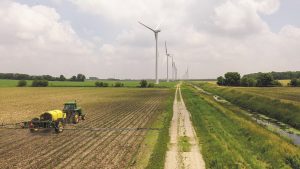
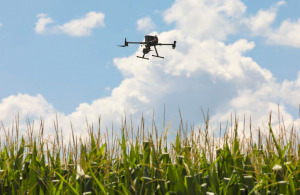
Taranis is part of a new but rapidly growing industry offering agricultural mapping services and the ability to monitor vast swaths of cropland in minute detail, helping landowners maximize yields.
Agricultural innovations may be protected for limited periods by one or more sets of intellectual property laws.
Lawmakers on Capitol Hill aggressively questioned the chief executives of the country’s four major beef producers, accusing them of engaging in anti-competitive practices that have financially harmed cattle ranchers and driven up the price of meat.
The challenge, to be called HungerTech, will invite participants to come up with tech-focused ideas for improving grocery delivery access for recipients of the Supplemental Nutrition Assistance Program, or SNAP.
Brazil-based Solinftec has had operations in West Lafayette since 2019. The company is now working to launch a robot that would continuously roam agricultural fields and collect information farmers can use to improve their operations.
The company said the new location will allow it to expand its bagged salad and salad kit offerings to retailers and consumers throughout the Midwest and mid-south regions.
Without much fuss and even less public attention, the nation’s egg producers are in the midst of a multibillion-dollar shift to cage-free eggs that is dramatically changing the lives of millions of hens in response to new laws and demands from restaurant chains.

Husband-and-wife air traffic controllers plan to sell meat, dairy and eggs in a building previously occupied by an antique store.
IntelinAir, an ag-tech startup, moved its headquarters from California to Indianapolis in August. The company’s co-founder, Al Eisaian, is stepping aside as president, CEO and board chairman next month and long-term ag-tech exec Tim Hassinger will take over those roles.

Indianapolis-based IntelinAir Inc. sees a big opportunity in the use of artificial intelligence and machine learning to help farmers keep tabs on their crops.