Med school enrolls first U.S. patient in global trial to treat childhood chronic kidney disease

If chronic kidney disease progression is not slowed, patients eventually face being put on dialysis or may require a kidney transplant.
Read More
If chronic kidney disease progression is not slowed, patients eventually face being put on dialysis or may require a kidney transplant.
Read More
The companies developing new weight-loss medicines have a problem: People who don’t lose weight quickly figure out they were assigned to take a placebo and are bailing out of their clinical trials.
Read More
A trial of Eli Lilly and Co.’s blockbuster diabetes drug Mounjaro fell short of expectations in one aspect, but the results showed enough cardio benefits to eventually encourage investors.

Food and Drug Administration Commissioner Marty Makary said the agency will aim to review select drugs in one to two months.

Trial data data showed Lilly’s experimental weight-loss pill worked as well as the Ozempic shot, bringing it one step closer to developing a needle-free alternative to injections.
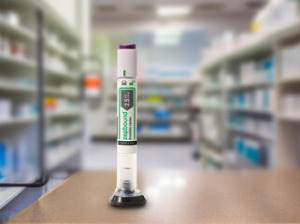
Eli Lilly and Co. said its weight-loss treatment Zepbound helped patients lose 47% more relative weight than competitor Novo Nordisk’s obesity treatment Wegovy in a head-to-head clinical trial.

Meanwhile, demand for Lilly’s Zephound and Mounjaro is leading to a shortage of the drugs that is expected to last until at least mid-year, the FDA said in an update Wednesday.
A seven-year clinical trial concluded that NICO Corp.’s devices are safe and effective to treat intracerebral hemorrhage.
Eli Lilly said the study concludes its clinical development of solanezumab, apparently shutting the door on one of the most closely watched experimental drugs over the past decade.

The drug has been closely watched by medical professionals and is viewed by financial analysts as a possible blockbuster, with potential annual sales in the billions of dollars.

The pharmaceutical giant is turning heads with an experimental medicine it claims can help obese patients shed nearly a quarter of their body weight and manage diabetes.
The experimental drug, donanemab, could be a huge breakthrough for Lilly, which has spent billions of dollars over 30 years researching treatments for Alzheimer’s disease, only to see them fall short in clinical trials.
Lilly said it is reviewing safety data that caused federal researchers to pause a trial of the company’s COVID-19 antibody treatment in hospitalized patients. Other trials using lower doses of the drug outside the hospital will continue.
The experimental drug eased arthritis pain in hard-to-treat patients without major safety concerns, a key step in creating a new class of medications that may one day offer an alternative to narcotics.

Dr. Dan Skovronsky needs to deliver on the drugmaker’s audacious goal of launching 20 new medicines by 2023.
While the ultimate outcome remains far from certain, the study is a bright spot—if a tenuous one—in the search for a treatment for Alzheimer’s, where more than 100 experimental drugs have failed.
An independent data-monitoring committee found that the medicine, lanabecestat, was unlikely to meet the goals of the studies, one for early Alzheimer’s and the other for mild dementia related to the disease.
The Indianapolis-based drugmaker has been working for years to develop the much-anticipated drug, which some analysts had said might ring up $2 billion a year in sales.

The 5-year-old Carmel biotech has won plenty of attention from Wall Street and has secured more than $100 million through licensing deals and a stock offering to help fund expensive clinical trials.
The Food and Drug Administration wants to help patients get faster access to promising cancer treatments, FDA Commissioner Scott Gottlieb told House lawmakers Thursday.
The Indianapolis drugmaker said it will not be required to conduct another expensive, time-consuming clinical trial for the potential blockbuster.
The companies say the drug, now in late-stage clinical trials, could be more effective for pain treatment than opioids—a dangerous category of pain killers that includes hydrocodone, morphine and fentanyl—without the abuse potential of such medications.