Health care premium spikes set to squeeze small businesses
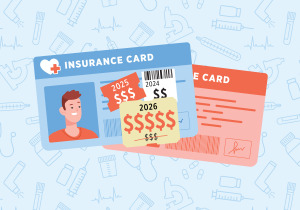
Premiums for Affordable Care Act plans, which are used for thousands of small businesses, are expected to jump 114% on average in the new year, when COVID-era tax credits expire.
Five Indiana marketplace insurers—Anthem, UnitedHealthcare, CareSource, Cigna and Coordinated Care Corp.—will hike premiums an average of 31.4% effective Jan. 1 under plans recently approved by the Indiana Department of Insurance.
The agency on Friday submitted possible guidance that includes greater detail on the occupations covered by the rule and who will qualify and what counts as a “qualified tip.”
Direct-to-employer health insurance plans, in which an employer contracts directly with a health care network for coverage, restrict provider choice but are generally less expensive for employers and employees.
Republicans want to make the credit permanent, as well as expand it to part-time workers. They also want to reduce the worker eligibility requirement from one year on the job to six months.
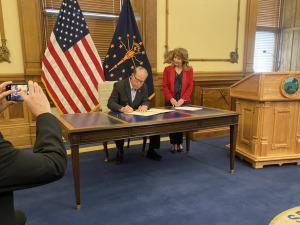
Under Gov. Mike Braun’s new policy, all women employed by the state, including both full- and part-time workers, are eligible for up to six weeks of paid childbirth recovery leave.
The unemployment rate ticked down to an even 4%, signaling a still very healthy labor market.
The new leave also extends to mothers who experience stillbirth or fetal loss after 20 weeks of gestation.
Employees will start receiving Prime, Amazon’s speedy shipping and video subscription service, as part of their compensation beginning early next year, the company said.
Information is the key to a confident and successful negotiation for both sides, experts say.
Reduced hours in the summer months can also enable smaller businesses to stand out to prospective employees in a competitive talent marketplace.
The 40-hour workweek has been standard in the U.S. for more than eight decades. Now some members of Congress want to give hourly workers an extra day off.
About 70% of employers responding to a Franklin Templeton survey said they had recently increased the number of or quality of their benefits, and 65% described their benefits as “quite competitive.”
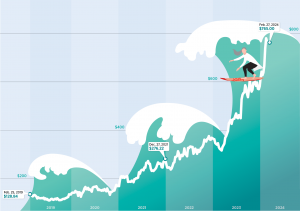
In the past 52 weeks, shares have set new records almost every week, due to investor eagerness over the company’s new drugs for obesity and diabetes, two health conditions that plague America, along with other drugs in the pipeline.
The development is substantive—it is designed to help lawmakers write legislation that can pass both chambers—but it is also symbolic, an effort to show public momentum on the issue.
The abbreviated schedule boosted companies’ ability to hire and retain staff, with almost a third of employees who said they were seriously considering leaving now saying they’re less likely to do so.
More job seekers are searching for work that allows them to take long-awaited trips without spending all their paid time off.
As larger companies continue to harden their return-to-office mandates, the flexibility uniquely offered by small businesses might become increasingly attractive to job seekers.
From Amazon.com to Walmart, investors have filed more than 140 shareholder resolutions this year, pressing companies to address employee-related issues ranging from paid leave and health and safety to abortion access, benefits and labor rights.
Proponents say paid leave is key to making sure vulnerable workers can take time off when needed without fear of reprisal. Critics say the law will overburden small businesses already struggling amid high inflation.