
Local senior-living complex more than doubles assisted-living units in $5M expansion
The expansion will consist of 32 new one-bedroom apartments and five two-bedroom residences, bringing to 67 the number of assisted-living apartments at the complex.
The expansion will consist of 32 new one-bedroom apartments and five two-bedroom residences, bringing to 67 the number of assisted-living apartments at the complex.
Ossium Health wants to build a huge bank of bone marrow and stem cells from deceased organ donors to treat patient with blood cancers and to improve organ transplantations.
Merus N.V. specializes is so-called CD3 engaging T-cell therapies, a growing area of cancer research, based on immunotherapy, or using the immune system’s T cells to find and shrink tumors
The legislation, Senate Bill 202, would allow designated family members to visit residents under end-of-life and other serious circumstances.

As hospitals and health departments scramble to erect temporary clinics, the big questions are how fast states can roll out the vaccines and how long it will take for people to get protected.

Several other Indiana companies also say they are suspending contributions to all candidates or are taking a close look at the matter.
So far this month, drugmakers have hiked prices on 636 drugs, according to research by GoodRx, which tracks prescription drug prices and offer a mobile app to help consumers find the lowest prices on hundreds of drugs.
Matt McCutcheon, a reporter and anchor for WTHR-TV Channel 13 since 2013, says he has “retired” from the news industry and is taking a corporate communications gig.
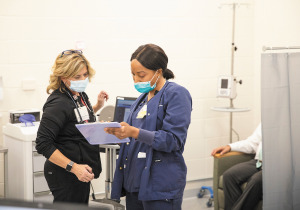
For a highly touted drug meant to keep throngs of people out of hospitals during a pandemic, Eli Lilly and Co.’s wonder treatment bamlanivimab sure has been slow to catch on.
The state’s new dashboard on COVID-19 vaccines provides interesting breakdowns on who is getting vaccinated, by county, by gender, by race, by age and a host of other statistics sure to please any proud data geek.
The 39 companies that won venture funding represent a wide range of therapeutics, devices and health information technology.
Last week, state health officials said they expected to initially receive 55,575 doses of Pfizer’s COVID-19 vaccine, and had already begun vaccinating front-line health care workers. But just five days later, state officials and hospitals are keeping mum about how many doses they actually received, except to say it was fewer than expected.
Hospitals are discharging patients several days earlier than they otherwise would, sending them home sometimes with oxygen machines, intravenous lines and powerful medicines.
Lilly said it will enroll up to 500,000 people in its latest study, with at least 5,000 people expected to receive bamlanivimab therapy. The drugmaker is partnering with health insurer UnitedHealth Group to see if the drug will help high-risk people.
In every significant statistical category, November has been a record-setter for the COVID-19 pandemic in Indiana, with cases, deaths and hospitalizations far exceeding even the early months of the coronavirus outbreak.
Despite the change in fortunes, Ascension signaled that it is not yet out of the woods, noting that “consumer confidence and healthcare hesitation as a result of COVID-19 continue to affect Ascension markets, to varying degrees.”
Under the Affordable Care Act, health insurers are required to spend 80% to 85% of the revenue they get from premiums on medical care. If they don’t, they have to issue rebates or credits to make up the difference.
Moderna said its vaccine appears to be 94.5% effective, according to preliminary data from the company’s still-ongoing study.
The federal government says readmissions are often unnecessary and cost taxpayers tens of billions of dollars a year for treatments that should have been caught the first time around, or were not followed up adequately.
Indiana lags much of the nation in flu vaccination rates, and some public health officials say the combination of flu and coronavirus illness could overwhelm hospitals this winter.