Trump officials seek public input to overhaul Medicare payment system
Officials are seeking potential alternatives to a coding system that tends to reward health care providers for surgeries and other costly procedures.
Read More
Officials are seeking potential alternatives to a coding system that tends to reward health care providers for surgeries and other costly procedures.
Read More
The payment is an effort by Elevance to settle a dispute in which the company is accused of overcharging Medicare for years.
Read More
Under the proposed rule, the Centers for Medicare & Medicaid Services would change the formula for what hospitals participating in the program can get reimbursed, in an effort to cut costs for patients.

The Medicare GLP-1 Bridge program is designed to provide temporary access to GLP-1 obesity drugs while federal officials examine longer-term approaches to obesity treatment through Medicare.

An annual report released Tuesday also said Medicare ’s hospital insurance trust fund will be unable to pay full benefits in 2033, unchanged from last year’s estimate.
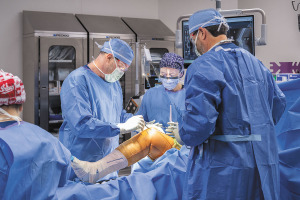
In January, the Centers for Medicare & Medicaid Services, or CMS, removed 285 procedures — mostly musculoskeletal, like revision hip and knee replacements — from its Medicare Inpatient-Only list.

The negotiation program was created as part of the 2022 Inflation Reduction Act, which capped years of debate over whether the federal government should be allowed to haggle directly with pharmaceutical companies over the prices of drugs in Medicare.
The report comes as Indiana hospitals attempt to address widespread criticism — including from state leaders — over high prices.
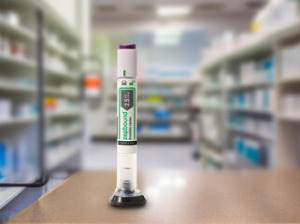
Health insurers are raising questions about the Trump administration’s plan to cover obesity drugs in Medicare next year.

Getting the average American to work one year longer by starting earlier or retiring later would generate about $3 trillion for the economy, said the administrator of the Centers for Medicare and Medicaid Services.

Rural hospitals are among those that are most affected by the financial challenges facing health care institutions in Indiana, according to a new report released by the Indiana Hospital Association.

The latest negotiated prices apply to some of the prescription medications on which Medicare spends the most money.

The government says the lab billed Medicare for tests that were unnecessary or tied to improper referral arrangements.

Business leaders say health insurance is causing heartburn among many small employers, forcing some to consider dropping coverage altogether.

The deal is seen as one of the most significant in the administration’s current drug-pricing push, given the potential effect on public health and spending on health care.

Other parts of Indiana’s HIP 3.0 proposal are still under consideration, including an expansion on provider taxes, cost-sharing requirements and wellness incentives.

Hospital leaders who spoke with Inside INdiana Business emphasized the bill wouldn’t increase funding, it would give hospitals access to funding that’s already been allocated.

Trump administration officials have offered mixed messages about GLP-1s and whether they should be relied upon for weight loss by obese and overweight Americans.

Prosecutors say the organization bought more than 30 previously legitimate U.S. companies and turned them from lawful businesses into consistent vehicles for fraud.
Gov. Mike Braun’s new initiative borrows from Kennedy’s “Make America Healthy Again” slogan, which Kennedy, the U.S. health secretary, borrowed from President Donald Trump’s campaign.
The plan means cuts at the Food and Drug Administration, the Centers for Disease Control and Prevention, the National Institutes of Health, and the Centers for Medicare and Medicaid Services.

While the proposed rule would give millions of people access to weekly injectables like Eli Lilly and Co.’s Zepbound that have helped people shed pounds, it would cost taxpayers as much as $35 billion over the next decade.