
LISC Indianapolis, Anthem Foundation launch $2.45M food-access effort
The Anthem Foundation and LISC Indianapolis on Tuesday announced a major initiative to provide more equitable food access, starting with one Indianapolis neighborhood.
The Anthem Foundation and LISC Indianapolis on Tuesday announced a major initiative to provide more equitable food access, starting with one Indianapolis neighborhood.
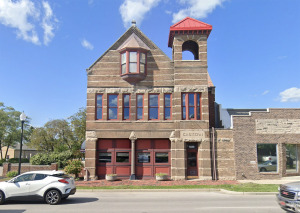
A 125-year-old landmark firehouse on East Washington Street that previously housed a photography business and a reception center for Angie’s List has been donated to the Indianapolis Metropolitan Police Department.
The funds will be used for housing, food and child care assistance, among other needs determined by local communities.
Among the most vulnerable not-for-profits, the study said, are those involved in arts and entertainment, which depend on ticket sales for most of their revenue, cannot significantly their reduce expenses and don’t typically hold much cash.

The decision by the not-for-profit 500 Festival also applies to its 5-kilometer event. Both events still are set for May 8, albeit now in virtual formats.
J. Michael Durnil served as CEO of the Indianapolis-based Simon Youth Foundation from December 2010 until last month.
The donation, from the Eli Lilly and Co. Foundation, brings the project’s fundraising total to $27 million. The total project cost is estimated at $30 million.

The Indiana Sports Corp. on Friday said it has received the grant to support ongoing beautification and programming efforts in downtown Indianapolis leading up to the NCAA Men’s Basketball Tournament in March.

The United Way of Central Indiana announced Wednesday that a donation of a previously undisclosed amount from philanthropist and author MacKenzie Scott is the largest gift from a single donor the organization has ever received.

While charitable giving increased overall last year, the number of million-dollar-plus gifts from individuals to Indiana organizations appears to have decreased.

The Great American Songbook Foundation said it is nearing the sale of its 107-acre Asherwood estate in Carmel to a private individual and a developer that wants to turn part of the property into an estate community.
Bloomerang officials say the acquisition of Tennessee-based Kindful combines the two largest companies in the donor management software space.
Nike founder Phil Knight and his wife, Penny, made the second- and third-largest donations last year, according to the Chronicle of Philanthropy’s annual list of top donations.
The biggest chunk—$10.5 million—has been dedicated to 15 community and multi-service centers that offer a range of services, such as health care, child care, counseling, job training and youth development, as well as programs for seniors.
The usual plan, which involves packing people closely on as many cots and mats as Wheeler Mission’s shelters can hold, isn’t an option under social distancing guidelines.
If you would like your organization to appear in the Dec. 25 list, the final list of the season, please submit your requests by 5 p.m. Dec. 21 at ibj.com/ibj-wish-list.
Among the recipients are five organizations in Indiana, including two in Indianapolis.
If proven successful in the pilot stage, the Marion County Dedicated Network Pilot could be expanded to serve public school students countywide as soon as early 2022.
Currently, there are 26 community learning site locations across the city with the capacity to serve more than 880 students. The $500,000 grant could help up to 400 more.

City program Lift Indy will direct $4 million in investment throughout the neighborhood. Many of those projects are already underway or will be launched in 2021.