Ronak Shah: Better transit means real options for high school students
The bus rapid-transit system is one of the best tools in ensuring all students have equitable access to high school options.
The bus rapid-transit system is one of the best tools in ensuring all students have equitable access to high school options.

House Speaker Todd Huston says legislation that would bar IndyGo from using dedicated bus lanes for the Blue Line merits consideration.
A state senator known for filing legislation aimed at IndyGo has introduced a measure targeting the transit agency again in 2024. IndyGo says the bill, if passed, would kill the proposed Blue Line.

Jennifer Pyrz, chief development officer for IndyGo, will become interim CEO after Evans’ departure.

The state’s 65 public transit systems recorded 20 million passenger trips in 2022, up significantly from 17.2 million in 2021. But that’s still well shy of previous highs.

U.S. Transportation Sec. Pete Buttigieg spoke Thursday afternoon in downtown Indianapolis, flanked by one-way streets that will be converted to two-ways under a recently announced $25 million federal grant.

The videographer has produced five seasons of “Music in Transit,” an online series that showcases music performances on an IndyGo bus, and has worked on all eight seasons of the “Good Bones” HGTV home renovation show.
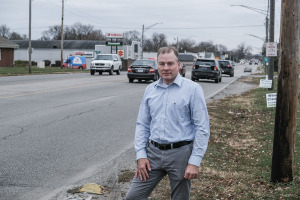
West-side leaders are pleased the city found $20 million for infrastructure improvements but remain disappointed that the area is missing out on the original $52 million in improvements the Blue Line was once scheduled to bring.
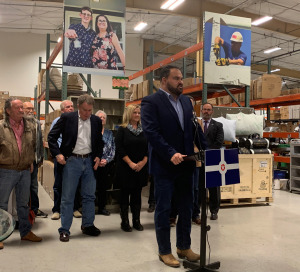
The infrastructure-improvement project is smaller than the $50 million plan that IndyGo dropped after an October board decision to alter plans for the Blue Line rapid-transit bus line on the west side.
IndyGo and transit advocates argue three consecutive years of legislative efforts by state Republicans to kill the project led to costly delays, while opponents say the undertaking was never financially feasible.
Hazen has distinguished himself for his work in road safety, donating hundreds of bike lights to a local cycling organization and passing them out for free to transit customers with bikes.

IndyGo is taking steps to make some of its regular bus stops more like the decked-out stops along its rapid-transit lines, starting with its first “super stop,” which it unveiled Monday.

IndyGo is planning three public comment sessions in October for the route redesign plan, which aims to increase efficiency. It will be up for a board of directors vote in November.

The disclosures would cover any fees for passengers to sit with their children, to change or cancel a flight, and to bring checked or carry-on bags.
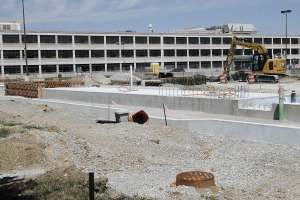
But there’s still a lot of work to do. Building of passenger stations has yet to begin; all progress so far has laid the groundwork for future construction.
New York City-based Via Transportation Inc., which last year pulled out of the ride-hailing industry to focus on public transportation services, will lead the program.
The Centers for Disease Control and Prevention is set to extend the order, which was to expire on April 18, to monitor for any observable increase in severe virus outcomes as cases rise in parts of the country, according to a person familiar with the matter.
Indianapolis officials are looking to state government for options that could help the city close a funding gap of up to $1 billion a year for roads and transportation infrastructure.
The mask mandate was scheduled to expire March 18, but the Transportation Security Administration said Thursday that it will extend the requirement through April 18.
Agencies are expected to use the money to prop up day-to-day operations, including staffing and payroll as well as cleaning and sanitization to limit the spread of illness in public transportation.