
New study links ADHD symptoms in boys and addictive social media use
This finding adds to growing research linking increased social media use to detrimental effects on attention, memory and cognition.
Read More
This finding adds to growing research linking increased social media use to detrimental effects on attention, memory and cognition.
Read More
The jury awarded the plaintiff $3 million in damages and recommended an additional $3 million in punitive damages.
Read More
In the U.S., the movement might have turned a corner with two jury verdicts against Meta and one against Google that galvanized proponents for youth online safety.
The suit is the first of many brought by hundreds of districts seeking compensation for costs they say they incurred dealing with harms to children’s mental health from social media addiction.

There are thousands more cases waiting to be heard, with young internet users, parents, school districts and state attorneys general all seeking compensation and changes to how social media services operate.

The multimillion-dollar verdict will grow, as the jury decided the companies acted with malice, or highly egregious conduct, meaning they will hear new evidence shortly and head back into the deliberation room to decide on punitive damages.

A jury in New Mexico found on Tuesday that the social media giant’s platforms are harmful to children’s mental health and imposed a $375 million penalty.
Jurors heard closing arguments after six weeks of testimony from scores of witnesses that included local teachers, psychiatric experts, investigators, top Meta officials and whistleblowers.
A daunting stream of testimony and evidence has been presented over seven weeks in a New Mexico case that explores what social media conglomerate Meta knew about the effects of its platforms on children.

Research shows social media use is growing among people 65 and older — and some of their children and grandchildren are worried they’re slipping quietly into screen addiction.
The case has been selected as a bellwether trial, meaning its outcome could impact how thousands of similar lawsuits against social media companies are likely to play out.

Meta and YouTube are the two remaining defendants in the bellwether case, which TikTok and Snap have settled.

The trial, which is expected to run through the end of March, will serve as a critical test for thousands of other lawsuits that target not only Meta and Google, but also TikTok Inc. and Snap Inc.
The measure directs state officials to scrutinize and potentially eliminate certain low-wage college degree programs offered at Indiana’s public institutions.

Jurors in a landmark social media case that seeks to hold tech companies responsible for harms to children got their first glimpse into what will be a lengthy trial characterized by dueling narratives from the plaintiffs and the two remaining defendants, Meta and YouTube.

After hours of emotional testimony from frustrated parents and school leaders, an Indiana House committee is weighing whether to revive youth social media restrictions inside a wide-ranging education agency bill.
A slew of trials beginning this year seek to hold social media companies responsible for harming children’s mental well-being.
More than 450 House and Senate measures failed to advance by Monday’s deadline — but lawmakers could still revive language before adjournment.
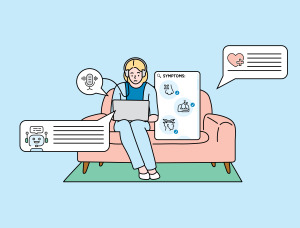
There is an unlimited amount of health information, from vaccines to mental health, on the internet and social media, and an ever-increasing number of people are creating it and searching for it.

The social video platform is one of three companies—along with Meta’s Instagram and Google’s YouTube—facing claims that their platforms deliberately addict and harm children.
The divestiture from TikTok’s Beijing-based former parent company, ByteDance, means that the wildly popular app will continue to operate in the United States.

Separate proposals would also restrict phones in schools and allow parents to set stronger filters on school-issued devices.