

Indiana Senate nears vote on bill scrutinizing nonprofit hospital prices
The Senate must still vote to pass the bill out of its chamber by Tuesday. The House will then decide whether it agrees with the Senate’s changes.
The Senate must still vote to pass the bill out of its chamber by Tuesday. The House will then decide whether it agrees with the Senate’s changes.

The somewhat obscure federal program designed to reduce drug prices for health providers is getting scrutiny from lawmakers this year.

Pfizer had been hoping the once-daily pill treatment would give it an edge over leading weight-loss treatments like Zepbound from Eli Lilly and Co. and Novo Nordisk’s Wegovy, which are injectable.

An Indiana Senate committee voted to amend a bill targeting the cost of health care at nonprofit hospitals, with the new version freezing prices but not imposing penalties for two years.

The United States has experienced more than double the number of measles cases it saw in all of 2024.

In its response to the proposal, Elevance touted that its “workforce embodies a multitude of dimensions.”
Under Senate Bill 2, those enrolled in the Healthy Indiana Plan will need to either work or volunteer for 20 hours each week, with several exceptions for caregivers, disabled beneficiaries and more.
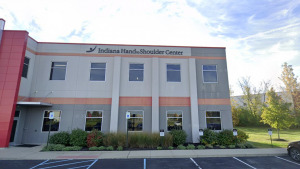
The move is the latest expansion for OrthoIndy, which recently announced mergers with practices in Evansville and Fort Wayne.

The drugmaker accuses Premier Weight Loss of risking patients’ health by selling altered, unsterile versions of its blockbuster drugs Mounjaro and Zepbound.
President Trump’s predecessor, Joe Biden, proposed a rule in late November after Trump won re-election that would have extended coverage of drugs like Zepbound and Wegovy.

Occupational therapists, physical therapists and registered nurses have received payments from the settlement, while almost a third will go toward attorney fees.

The European Medicines Agency committee said the benefits of the new drug, Kisunla, did not outweigh the risks, and it recommended refusing marketing authorization for it.
The plan means cuts at the Food and Drug Administration, the Centers for Disease Control and Prevention, the National Institutes of Health, and the Centers for Medicare and Medicaid Services.

Eskenazi Health officials say the system has seen a 60% increase in the number of prescriptions filled over the past five years—a rate that’s unsustainable, given national staffing shortages.

The Department of Health and Human Services said it would “no longer waste billions of taxpayer dollars responding to a non-existent pandemic that Americans moved on from years ago.”

Health care mergers and acquisitions continue to be a hot topic in Indiana, with the Legislature considering a bill this year geared toward creating more transparency and state oversight toward those deals.

Aside from building four new plants, Johnson & Johnson said that it will expand several existing sites.

Members of the Indiana Senate Committee on Health and Provider Services agreed with the need to address the high cost of health care. But they often disagreed with the approach of House Bill 1004.
In Tuesday’s committee hearing, conservative lawmakers defended the plan to add red tape and bureaucracy to the program against Hoosiers who were worried they’d lose their health coverage.

The study looked at the behaviors of more than 550 medical school students from across the country to understand how these young professionals cope with the stress of their programs.