
Greg Porter: The American Rescue Plan can change the course of Indiana
It is up to the state to get relief into the hands of those who need it most.
It is up to the state to get relief into the hands of those who need it most.

The grants, which range from $180,000 to more than $8 million each, will be awarded to 28 Indianapolis-based organizations to fund new programs aimed at financial security or expand existing programs that address poverty-related challenges.
J. Michael Durnil served as CEO of the Indianapolis-based Simon Youth Foundation from December 2010 until last month.

The funding is going to businesses that need assistance paying their employees or rent, to organizations helping families pay their mortgage or buy groceries, and to companies bearing pandemic-related expenses.
Jeff Brown took the interim role in December after the retirement of Catherine O’Connor, who had led the domestic-violence shelter and services provider since 2014.

Within a week of Indiana’s first confirmed case of COVID-19, the Indianapolis-based endowment granted $15 million to underwrite a new community fund dedicated to helping social service agencies respond to the pandemic.
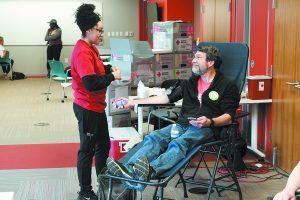
A big challenge has been that some fundamental assistance—like providing food to low-income or aging individuals and families—doesn’t easily transition to a work-from-home model.
The fund, called the Central Indiana COVID-19 Community Economic Relief Fund, received a $15 million donation from Lilly Endowment Inc. and $500,000 contributions from three other organizations.
The city of Indianapolis on Wednesday was awarded $6.3 million in grants from the U.S. Department of Housing and Urban Development for initiatives and organizations that aim to eliminate homelessness.

Gov. Eric Holcomb is giving the green light for federal officials to continue placing refugees in Indiana, following in the footsteps of a growing group of governors.
A new alliance with the Seattle-based affiliate chapter might be the key to the turnaround and longevity of Planned Parenthood of Indiana and Kentucky.
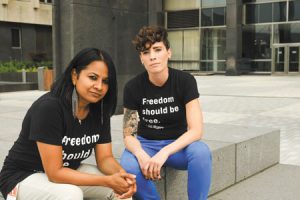
The Bail Project is challenging the cash bail system that keeps poor people awaiting trial locked up in Marion County jails, often putting their jobs and homes at risk.
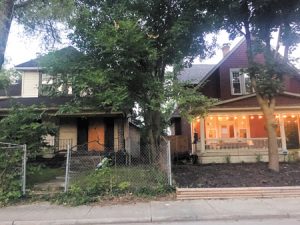
In a quest to create permanently affordable housing, about 25 Indianapolis community groups and development corporations have formed the Community Land Trust Coalition.
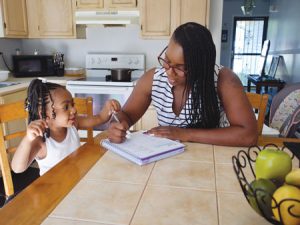
Banking is more expensive for the people who most need it to be affordable, a reality that experts say plays a significant role in preventing many Hoosiers from snapping the cycle of poverty.
The donation will be used to establish the Miller Family Fund for Success, which will help support Goodwill’s education, health and employment programs.

Develop Indy, the economic development arm of Indy Chamber, is connecting businesses with PACE, a not-for-profit that helps people coming out of the criminal justice system re-enter the community.
The funds will allow the city to start a pilot job program for would-be panhandlers, offering work on projects like graffiti abatement, downtown cleanup or beautification.

Indy Reads launched a redesigned literacy program in fall 2017, and the board recently approved a new mission statement and strategic vision.
A new report from Indiana United Ways says that the number of Indiana households that cannot afford basic needs increased 10 percent from 2010 to 2016 as expenses for families rose faster than the cost of inflation.

Some social service leaders are worried about the shift in strategy toward grant allocations and away from annual allocations.