
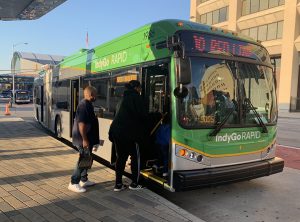
Riders flock to Red Line in first days as IndyGo works on glitches
IndyGo says riders took about 8,200 trips on the Red Line on Sunday, the first day the bus rapid transit line was in service.
IndyGo says riders took about 8,200 trips on the Red Line on Sunday, the first day the bus rapid transit line was in service.
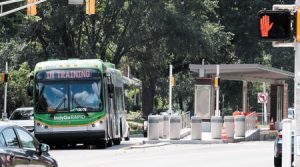
IndyGo has big expectations for the bus rapid transit route—including a 69% increase in ridership along the north-south corridor by this time next year.
Blue Indy has yet to see a money-making year, and the company’s top Indianapolis official says he can’t predict when that will happen.
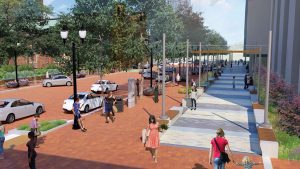
The complete overhaul of the street will include a raised pedestrian crossing between entrances for the City-County Building and the City Market.
It’s unclear, however, how many high school students will be able to rely on the city’s long-starved transit system to get to school if the district eventually stops providing buses.
The plane is expected to start flying again in January 2020 “under the latest scenario,” the Wall Street Journal reported, citing unidentified sources within the Federal Aviation Administration and pilot-union leaders.
The first phase of IndyGo’s bus rapid transit project, the Red Line, remains on schedule for a Sept. 1 debut.

The transit system has hit some speed bumps as it works to implement a new model of electric bus that will be its fleet for the Red Line, the rapid-transit route that begins service Labor Day weekend.
The new rules cap the number of licenses for dockless shared-use mobility companies in Indianapolis and mandate that those companies deploy a certain number of scooters to different areas of the city.

City officials and transportation advocates want to increase access to scooters for low- and moderate-income residents who live outside the downtown areas where they’re most heavily used.
The new pay-as-you-go pricing puts Pacers Bikeshare more in line with the pricing model used by scooter companies Bird and Lyft, which have eaten into the program’s business.
IBJ reporter Susan Orr talks with host Mason King about how Indy’s weather is contributing to the problem, what IndyGo wants BYD to do about it and what other city got so fed up it sent its buses back to the company.

IndyGo says the electric buses it intends to use on the Red Line have been unable to run the 275 miles on a single charge that was promised by manufacturer BYD Ltd.
The challenge will solicit community ideas for tackling local mobility problems and award one or more finalists with $100,000 to implement pilot tests of their ideas.

Supporters are fighting for continued public funding of the Indianapolis-to-Chicago rail service—even as they acknowledge the route’s travel times and ridership levels need improvement.
The goal is to preserve or spur development of 1,000 affordable housing units within close distance of an Indianapolis transit stop over the next five years.
Speeding up construction is expected to shave four months off the 13-mile bus line project.
Michael Terry oversaw IndyGo at a critical time. In 2016, the agency successfully asked Marion County taxpayers for increased revenue in a tax referendum. The agency is now carrying out a plan to build three bus rapid-transit lines in Indianapolis.
The Indianapolis company, formed in 2009, makes apps that allow users to track buses in real time and hail rides on demand. It is merging with Ride Systems LLC to gain more users and build market share.
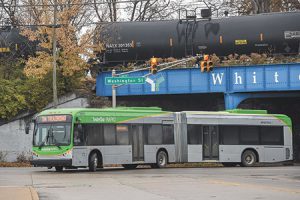
IndyGo and bus maker BYD Ltd. say they’re confident the electric buses Indianapolis plans to use for the Red Line will meet the system’s needs.