

Software keeps kids on school buses safe from sickness
Indianapolis-based Synovia Solutions’ latest platform—Bus Guardian—helps with contact tracing and hygiene verification for school buses.
Indianapolis-based Synovia Solutions’ latest platform—Bus Guardian—helps with contact tracing and hygiene verification for school buses.

IndyGo is on the hunt for additional space because its staff and bus fleet have grown in recent years, making its current headquarters on West Washington Street too small for its needs.
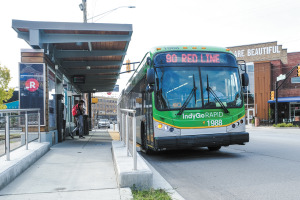
Though work on the Purple Line and Blue Line bus rapid transit lines will continue, transit system says some other planned route improvements are on hold.
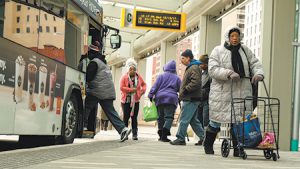
The Indianapolis City-County Council’s Municipal Corporations Committee voted 7-2 Wednesday night to advance the proposal to the full council.
Transit officials are studying more advanced methods that might someday automatically disinfect transit systems around the clock.
The transit agency is now considering a site on Post Road that is much larger than the former Harrison College site downtown and potentially much less expensive.
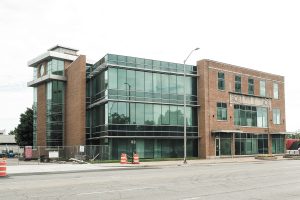
IndyGo is investigating whether to purchase the former Harrison College site for millions of dollars to use as additional space—but some board members are not convinced doing so is a good idea.
That amount would pay for half of the proposed IndyGo Purple Line project, a 15.2-mile route from Indianapolis to Lawrence with an estimated budget of $155 million.

IndyGo has been operating on a reduced schedule since March 29 because of COVID-19-related staff shortages and ridership declines.
IndyGo temporarily suspended fare collections March 29 to reduce interaction aboard buses.

COVID-19-related driver shortages, among other factors, mean that route improvements planned for June now won’t happen until 2021.
Jennifer Pyrz will serve as chief development officer and vice president of infrastructure, strategy and innovation.
IndyGo says it’s cutting service because ridership has dropped as businesses have shut down or asked employees to work from home.
After the Indiana Senate passed a compromise on the IndyGo funding feud Wednesday night, the Indiana House killed the measure by not voting on it before adjourning for the year.
The new language offered on Monday afternoon would gradually phase in how much IndyGo has to fundraise and would require a new traffic study on the impact of the proposed Blue Line.
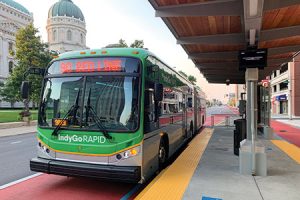
The IndyGo board on Thursday approved the $7.5 million purchase of 13 diesel buses and also canceled a $6.5 million order for five electric buses made in California by China-based BYD Ltd.
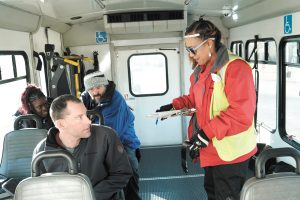
IndyGo says the vendor it hired to operate its reservation-based transit service for disabled riders isn’t meeting expectations.
IndyGo vendors are still working to deploy two key features that were supposed to be in place when the Red Line launched Sept. 1—and the delays are both disrupting Red Line operations and hurting IndyGo’s bottom line.
The Red Line has so far proven fairly popular, averaging some 7,000 riders a day. But there have been frustrations—especially in the consistency and timeliness of the buses’ arrivals and departures.
The city’s first bus rapid-transit line is up and running, but public-transportation advocates are just getting started—and they’re hoping the next mayor of Indianapolis is on board.