

Cybersecurity company denies it ‘improperly accessed’ Indiana health records
Cybersecurity company UpGuard Inc. told IBJ that it was trying to help the Indiana Department of Health by notifying it of “leaked” data and “securing the information.”
Cybersecurity company UpGuard Inc. told IBJ that it was trying to help the Indiana Department of Health by notifying it of “leaked” data and “securing the information.”
The data included names, addresses, email addresses, gender identification, ethnicity and race information, and dates of birth. The state said no medical information was accessed.
Doctors in Indiana earn an average of $337,000 a year, ranking them fourth in the nation, according to the annual survey by Medscape, a website for doctors and health professionals, released Monday.

At emergency rooms across central Indiana, “No Vacancy” signs are flashing on at unprecedented rates.

The mandate covers about 15,400 Lilly employees in numerous states and Puerto Rico, including about 11,000 in Indiana.
Greenfield-based Elanco Animal Health Inc. disclosed on Monday that it received a subpoena from the U.S. Securities and Exchange Commission on July 1 related to its channel inventory and sales practices prior to mid-2020.
Shares of the Greenfield-based maker of animal feeds and vaccines dove after the firm warned that it’s facing inflationary pressures, increased logistics costs and other headwinds.

While many government leaders seem reluctant to reimpose restrictions, businesses are beginning to lay down the law.
Indiana University Health saw its earnings more than double in the first half of the year, to $414 million, compared to a year ago, as patients flocked back to hospitals and clinics, many for procedures they had postponed during the height of the COVID-19 pandemic.

Eskenazi spokesman Tom Surber said the decision to divert ambulance traffic to other hospitals was made “out of an abundance of caution.” The diversion began at around 8 a.m. Wednesday and remains in place, he said.
Eli Lilly and Co. passed up the chance to develop a vaccine and instead focused on making antibody treatments for patients who were already infected with the coronavirus. That turned out to be a financial whiff. Now all eyes will be on Lilly’s second-quarter earnings, which the company will release early Tuesday.
State health officials say they have no authority to require anyone to get a vaccine, including state employees.
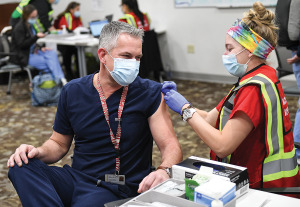
The clock is ticking for workers at large hospital systems across central Indiana to get vaccinated for COVID-19 or risk losing their jobs.

Eli Lilly and Co. confirmed to IBJ on Thursday its mask requirement is effective immediately and is based on recommendations earlier this week from the CDC. Many other large employers, however, are still in a wait-and-see mode on imposing new restrictions on employees.

IBJ talked to Dr. Cole Beeler, an infectious disease specialist at Indiana University Health, about vaccines, the CDC’s mask recommendation and more.
Ascension’s decision to require vaccinations follows similar mandates by all three other major health systems here.

Indiana University Health plans to turn its massive, expanded campus near Methodist Hospital into a destination site and service area for the neighborhood.

Indianapolis’ newest publicly company, Point Biopharma Inc., is the latest player in a field expected to see explosive growth as doctors and researchers look for new ways to shrink tumors.
Franciscan joins two other large hospital systems in central Indiana—Indiana University Health and Community Health Network—in laying down the new health requirement.
Even as some drugmakers, including Indianapolis-based Eli Lilly and Co., are pushing to get experimental drugs approved, federal regulators are still dealing with a huge blowback over the controversial way they reviewed a new Alzheimer’s drug by rival Biogen.