


Duke Energy under pressure to break into 3 pieces
Activist investor Paul Singer says the huge utility has been underperforming its peers and argues that Duke’s customers would be better served by locally managed utilities.
Activist investor Paul Singer says the huge utility has been underperforming its peers and argues that Duke’s customers would be better served by locally managed utilities.
Ascension Technologies, the IT subsidiary of St. Louis-based Ascension, is outsourcing the jobs to overseas companies.
The program was established in 2015 after Scott County generated national headlines for racking up more than 237 cases of HIV in a single year, in a county of just 24,000 people.
Officials still plan to seek City-County Council approval to lift mask mandates for fully vaccinated people on June 7 and hope to further ease other restrictions if the county can reach a 50% vaccination rate by July 4.

In a change of policy, Indiana University Health said Tuesday it will require doctors, nurses and other team members to be fully vaccinated against COVID-19 by Sept. 1.

For decades, one industry—health care—has largely clung to its traditional model of person-to-person visits in brick-and-mortar buildings, even as other industries have gone virtual. It took a pandemic to disrupt everything, almost overnight.

For more than a century, Eli Lilly and Co. has pushed for innovation in the pharmaceutical industry. But six years ago, the drugmaker had to admit it was less than innovative in its own workforce.
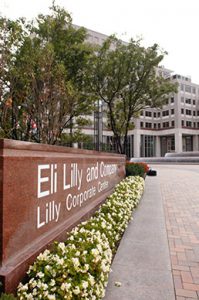
Eli Lilly on Thursday said in a government filing that it has received a subpoena from the U.S. Justice Department for documents related to the factory and is cooperating with the investigation.
Zig Therapeutics Inc. wants to raise about $100 million to build a health-digital system that would allow doctors to monitor and adjust the dosing of drugs for patients based on their real-time therapeutic response to a drug.

The company, with headquarters and a massive factory on the northwest side, has hired about 100 people in the past year, bringing its workforce to about 550. And it’s looking to hire another 100 people this year.
Scott County, which was the center of a huge outbreak of HIV in 2015, is considering whether to close the syringe exchange program that was widely credited with curtailing the crisis.
The U.S. Centers for Disease Control and Prevention reported as of 6 a.m. Monday that 50.3% of Hoosiers aged 18 and older, or about 2.59 million people, had received at least one dose.
The hospital system’s CEO said Wednesday that no staff members have been terminated in relation to the patient’s care, which was a recommendation of an outside board that reviewed the case.
An outside panel concluded that medical management and technical care did not contribute to Dr. Susan Moore’s death, the health system said Wednesday.
The GOP-dominated Legislature again defied Republican Gov. Eric Holcomb on Monday, overriding his veto of a bill that will undo some local health restrictions in Indianapolis and some other cities amid the COVID-19 pandemic.

The company plans to open its campus to all employees by July 12. The move comes as more companies continue to slowly reopen offices and navigate tricky territory with vaccinations.

The heavy investment in the campus—including a new women’s hospital and a brain and spine center—is the latest indication that Ascension St. Vincent is committed to the location, a major anchor along the busy West 86th Street corridor.
If lawmakers override Gov. Eric Holcomb’s veto, any local orders to wear masks, set permitted capacity in bars and restaurants, or attendance caps at events would be swept away immediately, the health officials said.

Matthew Sause took the helm of the 4,500-person Roche Diagnostics’ North American operations in Indianapolis in November 2019—just four months before the World Health Organization declared a pandemic and much of the planet went into lockdown.
This is a partial transcript of IBJ’s annual Life Sciences Power Panel, which took place virtually on April 30 with four of Indy’s biosciences leaders: 16 Tech CEO Bob Coy, GenePace Laboratories founder Sanjay Malkani, Elanco Animal Health CEO Jeff Simmons and Indiana University School of Medicine geneticist Tatiana Foroud.