Marion County rolls out new COVID-19 weapon
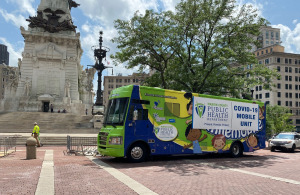
The county health department is using a brightly colored, 40-foot-long bus as a mobile unit for downtown workers and visitors to get shots, to help boost the county’s 41.2% vaccination level.
The Indianapolis-based drugmaker said the deal to buy Protomer Technologies could be worth up to $1 billion if the technology meets certain milestones. Lilly did not say how much it was paying up front in cash.
A new report submitted to the Indiana Legislative Council calls for the regulation of “white bagging,” a practice that requires hospitals to buy drugs from an outside pharmacy, which delivers them premixed ahead of time of the patient’s visit. It is a growing practice, aimed at lowering the cost of care, but many providers say it can compromise care.
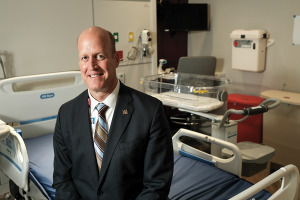
Gil Peri, a 6-foot, 8-1/2-inch, gregarious administrator with an easy laugh, started his job on June 28, after spending about four years as president and chief operating officer at Connecticut Children’s Medical Center.
Indiana continues to lag the nation in percentage of people fully vaccinated against COVID-19, and is now seeing an outbreak of variants that are more infectious and can cause more severe illness.
While many cities are selling their wastewater systems to utility companies, the city of Fishers is bucking the trend.
The collaboration could be worth as much as $694 million and potential royalties to Verge Genomics if the two companies hit development milestones.
While businesses were laying off employees last year by the boatload because of the pandemic, an Indianapolis company that specializes in building wind and solar farms hired scores of people to tackle new projects nationwide.
In her complaint, the lobbyist had claimed a top executive made sexist comments about her, mocked her physical appearance and subjected her and other women to a hostile work environment.
Gil Peri begins his new job just as the system is about to undertake one of its biggest projects in a decade—relocating its maternity services from Methodist Hospital to new, centralized maternity and newborn health unit at Riley Hospital, as part of a $142 million expansion.
The new gadget from VoCare Inc. is about the size of a smart phone and measures a person’s temperature, heart rate, blood pressure, blood glucose levels, blood oxygen saturation and heart rhythms.
Indiana University Health has created a lab to testing the vulnerability of hundreds or even thousands of devices, to protect both patients and the hospital system’s records.
Duane Nickell, a retired science teacher in Indianapolis, decided it was time to collect the stories of 17 prominent Hoosier scientists. What resulted is a book called “Scientific Indiana” that’s hitting stores now.
A vascular surgeon in Bloomington is suing Indiana University, claiming it unfairly revoked his hospital privileges and spread false information about him in an effort to dry up referrals and exert monopoly control in the market.
Mathilde Merlet oversees one of Eli Lilly and Co.’s fastest-growing products, a medicine called Taltz that treats a variety of dermatology and rheumatology disorders.
The Indiana Utility Regulatory Commission on Wednesday unanimously approved the project, which will include 581,594 solar panels and generate 195 megawatts of electricity, making it one of the largest solar farms in the state.
The deal would boost Greenfield-based Elanco’s profile in the billion-dollar pet dermatology market and continue its acquisition strategy.
More than 541,000 free COVID-19 tests have been provided at an OptumServe site since May 6, 2020, the state said last week, when it announced it was closing the vendor’s testing sites at the end of June.
The use of COVID antibodies has fallen across the United States lately and, along with it, Lilly’s sales in that category.
Activist investor Paul Singer says the huge utility has been underperforming its peers and argues that Duke’s customers would be better served by locally managed utilities.