Gov. Eric Holcomb lifted the ban effective Monday, with some caveats, such as making sure that hospitals keep enough personnel and personal protective equipment on hand for COVID-19 patients.
State officials again refused to say how many ventilators or intensive-care unit beds hospitals have, citing confidentiality agreements with hospitals and vendors. Some hospitals expect their supplies to run short in coming weeks.
As Indiana state health commissioner, Dr. Kristina Box finds herself in the spotlight as the highest-ranking public health official in the state during the pandemic, which threatens to overwhelm hospitals.
As in other states, tests are being reserved for health care workers and people with strong symptoms who have been in contact with someone who has tested positive.
His decision—announced in a Statehouse address streamed online—follows in the footsteps of a handful of other governors across the country, including three of Indiana’s neighboring states: Michigan, Illinois and Ohio.
A high-stakes suit this month by the federal government against Community Health Network is raising questions about when they are proper and when they cross the line.
Neuropsychiatric Hospitals LLC said it is developing a 64-bed hospital in Greenwood that will serve patients with complex medical and psychiatric condition.
The federal government says readmissions are often unnecessary and cost taxpayers tens of billions of dollars a year for treatments that should have been caught the first time around, or were not followed up adequately.
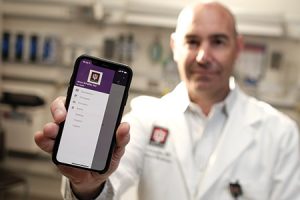
Since the first pager was patented in 1949 and used in New York’s Jewish Hospital, millions of doctors have done their daily rounds in hospitals with the gadget clipped to their waistband, always ready to hear the beep that might signal a medical crisis on the other end. But hospitals are now phasing them out.
Fishers-based tech firm Formstack is growing so fast, it’s considering opening a second local office, possibly in downtown Indianapolis. Formstack has made four acquisitions in eight months and five in 20 months and now has 200 employees and offices in multiple states. Company officials say there are no plans to slow the growth.
Across Indiana and the nation, hospitals are rolling out new programs to cut energy consumption and reduce their carbon footprints. In the process, they hope to save hundreds of thousands of dollars in the form of lower utility bills.