Investors closely following potential merger wave
The takeover game is rampant among U.S. health insurers and stock investors are filling the stands.
A victory by Anthem Inc. in its bid to buy Cigna Corp. could create regulatory hurdles for other insurers exploring deals as antitrust officials seek to hold the line on rising health care costs.
About 160,000 low- and moderate-income Indiana residents could lose health insurance premium subsidies provided under the Affordable Care Act if the U.S. Supreme Court rules them illegal, two groups estimated Tuesday.
In a new scoring system for oncology drugs, a leading group of U.S. cancer doctors awarded a zero for overall benefit to a regimen featuring Alimta, Eli Lilly and Co.’s top-selling product.
Cigna said Anthem’s a risky bet due to fallout from its massive data breach, lawsuits that accuse it of conspiring to inflate prices, and lack of a growth strategy. But Wall Street thinks this deal is going to happen, unless Cigna can find another buyer.
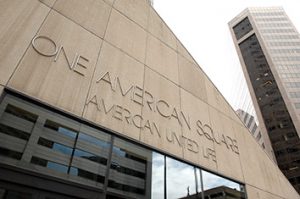
Indianapolis-based Anthem Inc. said Monday that the merged companies would cover more than 53 million people combined, a total that easily surpasses that of current market leader, UnitedHealth Group Inc.
Driving the consolidation is the 2010 health law that put tougher rules on the industry, demanding more covered services, better care and a ceiling on profits.
Anthem on Saturday offered to buy the smaller health insurer, which responded Sunday with a litany of concerns and criticisms.
One of the stumbling blocks to a deal has been Cigna’s insistence that its CEO, David Cordani, serve as CEO of the merged company.
But hospitals’ list prices in Indiana are more than three times what the federal Medicare program pays.
Congressional Republicans will move to temporarily continue health care subsidies for millions of people if the Supreme Court overturns the aid, according to plans discussed Wednesday in the House and Senate.
Kem Hawkins, who has been president of Cook Group Inc. since 2001, will retire on July 1. He will be replaced by Pete Yonkman, who since 2013 has been president of Cook Medical, the Cook subsidiary that makes medical devices.
The acquisition lets Hill-Rom, a maker of hospital supplies for wound care and respiratory health, delve further into the market for diagnostic supplies for physicians and emergency responders
The biggest U.S. providers—UnitedHealth Group Inc., Anthem Inc., Aetna Inc., Cigna Corp. and Humana Inc.—are all looking at possible combinations. Indianapolis-based Anthem is considering a takeover of Cigna or Humana, a person familiar with the matter said.
If Anthem merged with Cigna Corp. it would create a behemoth with even greater negotiating power, which could benefit employers but hurt doctors and hospitals.
Anthem Inc. has made a buyout offer to rival health insurer Cigna Corp. for $45 billion, The Wall Street Journal reported Monday. That price would make the deal the largest health insurance merger in U.S. history.
Intarcia Therapeutics Inc. is betting its matchstick-size pump could take market share from Eli Lilly and Co., AstraZeneca Plc and Novo Nordisk A/S.
Target Corp. has agreed to sell its pharmacy and clinic businesses to the drugstore chain CVS Health Corp. for about $1.9 billion in a deal that combines the resources of two retailers seeking to polish their health care reputations.
The Obama administration could write a new regulation. Congress could pass a short law. States could run a low-cost exchange. But the politics might require all parties to let the tax credits die while they try to pin the blame on the other side.
Axovant Sciences Ltd., a company without a finished product or a dime of sales, has an almost $3 billion valuation after its public-market debut. The IPO shows the staggering potential for any company that can develop a successful Alzheimer’s treatment.