
Indianapolis voters to consider tax increase for city’s schools this fall
The Indianapolis Public Education Corp. voted unanimously to place an operating referendum on the ballot to raise $90 million annually.
Read More
The Indianapolis Public Education Corp. voted unanimously to place an operating referendum on the ballot to raise $90 million annually.
Read More
The Indianapolis Public Education Corp. is considering putting a tax increase on the ballot in November to fund schools. Here’s the breakdown of options and how the public can weigh in.
Read More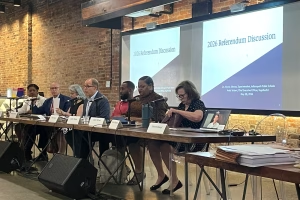
One of the first things that the Indianapolis Public Education Corp. will decide is whether or not to put a tax increase on the ballot in November.

At Crispus Attucks High School, students have many career-prep options through the school’s health care pathways program.

Allissa Impink plans to resign from the IPS board on June 15 after winning the Democratic primary election for state Senate District 46.
IPS will give seven unused properties to Habitat for Humanity of Greater Indianapolis to build up to 16 homes as part of a broader push to make affordable homeownership possible for IPS employees.

The district is grappling with a looming financial shortfall exacerbated by declining enrollment and changes to state law that will restrict property tax revenue.

The investment includes a $25 million gift from IU Health, which has a partnership with Indianapolis Public Schools through its health care fellowship at Crispus Attucks.
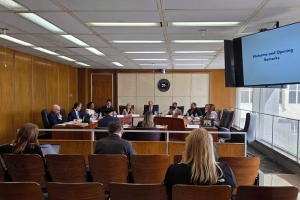
In addition to the referendum discussion Tuesday, the new Indianapolis Public Education Corp. appointed an acting executive director and approved a funding request for its work.
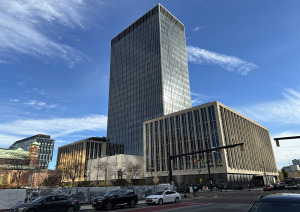
The mayor’s board selections include Mind Trust founder and Christel House International chief David Harris and charter school leaders Edward Rangel and Janet McNeal.
Even with the cuts, Indianapolis Public Schools still anticipates ending the 2026-27 school year with a $5 million dollar deficit.
The cuts could impact anything from staffing to school supply budgets as the district projects ending the year with a $40 million cash deficit.
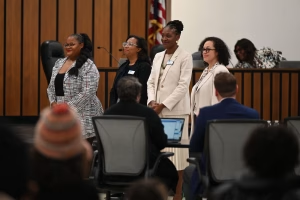
Cosby’s departure leaves a vacancy on the seven-member board, which will lose a substantial amount of power under a new law that redistributes resources between district and charter schools.
Mayor Joe Hogsett has until March 31 to appoint IPEC’s nine members, who in turn will have four months to place a referendum question on the November ballot.
A lawsuit from Indiana Attorney General Todd Rokita alleges the district unlawfully impeded federal Immigration and Customs Enforcement.
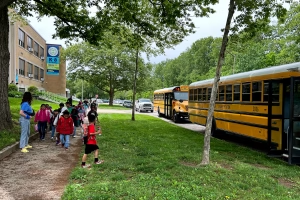
Charter leaders and advocates are concerned about relinquishing power over buildings. IPS supporters, meanwhile, worry lawmakers are treating the district unfairly.

The nine-member board would be appointed by the Indianapolis mayor and oversee key aspects of schools within its boundaries, such as a transportation system and an accountability system that could be used to recommend closing inefficient or low-performing schools.
Charters within IPS borders could choose not to give control of their school buildings over to the proposed Indianapolis Public Education Corp. under a bill that advanced Thursday.
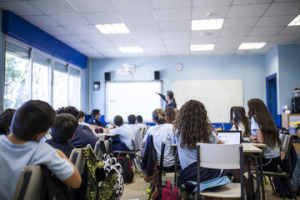
Indiana lawmakers have advanced a bill that would give a new governing body power over buildings, buses and taxes for Indianapolis schools, after adding key dates for when these changes would happen.
The enrollment dips come as schools across the country experience a continual post-COVID population drop that could stem from a number of factors, including declining birth rates, stricter immigration policy, and other school options.
The district encompasses downtown, the near-east side and southern parts of Indianapolis.
The Indianapolis Local Education Alliance’s recommendations would drastically change Indianapolis schools and reduce the power of the elected IPS school board.