
Macy’s aims to use real estate to free up cash
The department store chain would issue new bonds backed by certain property and other assets to bolster its liquidity.
The department store chain would issue new bonds backed by certain property and other assets to bolster its liquidity.

A judge has ruled in favor of residents of the Driftwood Hills neighborhood, who claimed the City-County Council overreached in approving zoning for the office, retail and restaurant project near Keystone at the Crossing.
The company admitted that poor safety practices, such as not keeping food at proper temperatures to prevent pathogen growth, sickened more than 1,100 customers nationally from 2015 to 2018.
About 91% of Indiana restaurant operators said they have had to either furlough or lay off workers since the COVID-19 outbreak began, with at least 15% anticipating they’ll have to take additional action in the next 30 days.

Creating the 66-unit apartment project would entail demolishing the two-story, 30,000-square-foot Teamsters building at 1233 Shelby St.

The loan program, geared toward Kite tenants that operate fewer than five retail locations, will accept applications beginning Friday. Industry experts say many mall tenants weren’t able to pay April rent.
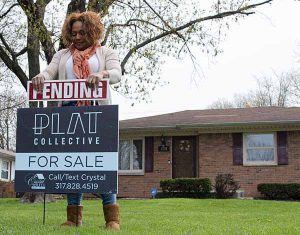
Homes are still selling in central Indiana, even as public officials ask us to severely limit personal contact and any non-essential travel outside the home. How? Agents, buyers and sellers quickly adapted to the new state of affairs.
Geoff Freeman, the CEO of the Consumer Brands Association, discusses a range of issues including the current status of supplies, protections for workers and customers’ shift away from organic food to packaged items like mac and cheese.
With store vacancies at an eight-year high, retail landlords see the potential of gamers someday pouring out of their basements and into their shopping meccas as a kind of lifeline.
This photo of the Marion County Clerk’s Office in the old courthouse was taken Oct. 21, 1954.

Local brokers have made big changes in the way they sell houses in an effort to protect buyers and sellers during the coronavirus outbreak. It’s not clear yet whether or how much the changes will hurt home sales—in the short term or long term.

Interest in buying new homes in central Indiana surged dramatically in the first quarter, before the affects of the COVID-19 pandemic began taking its toll on the economy.
Automobile and clothing store sales collapsed during the month, the Commerce Department said Wednesday. Sales at restaurants and bars also plummeted. But grocery store business soared.

Beloved in the Chicagoland area, the deep-dish chain confirmed to IBJ in March that it planned to enter the central Indiana market with several locations.

The company, which provides workforce management services, said it is investing $15.1 million overall to acquire and renovate the 165,000-square-foot building, where it will move 130 employees.
Indy Chamber CEO Michael Huber talks about the programs, what kinds of companies need them most and how the experiences have changed the way he’s thinking about his organization and what its mission will be going forward.
Stay-at-home and social distancing orders have put restaurant dining on hold, forcing many to close and leaving others barely surviving. Some are looking for new ways to generate revenue.
He says a “rolling re-entry” will be required based on the status of the new coronavirus pandemic in various parts of the country.
Firms across the country from a broad range of industries will be taking a hard look at their dividends in the coming weeks, as the pandemic forces businesses to focus on conserving cash.
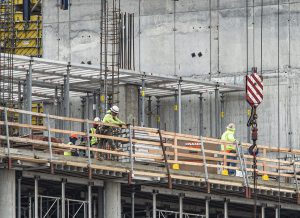
The decisions about construction are up to developers and construction firms, as the industry is exempt from Gov. Eric Holcomb’s orders that non-essential businesses close and Hoosiers stay home.