
Rise’n Roll bakery to open downtown store next week
This will be Rise’n Roll’s fifth Indianapolis-area location, in addition to stores in Broad Ripple, Fishers, Greenwood and Avon.
This will be Rise’n Roll’s fifth Indianapolis-area location, in addition to stores in Broad Ripple, Fishers, Greenwood and Avon.

Chicago-based Cloverleaf Group now owns three retail plazas in the Indianapolis area. Pyramid Place boasts a high density of nearby homes, offices, industrial sites, health-care facilities and highway traffic.
Wages have been rising rapidly as the economy reopens and businesses struggle to hire enough workers. Some of the biggest gains have gone to workers in some of the lowest-paying industries.
The move follows steps by a slew of other retailers, including Walmart and Target, to mandate masks for their workers.

Expected to debut by the end of September, The Beerded Swine is intended to be a sister shop to The Savory Swine in downtown Columbus.

Lenny Floyd opened the Salty Siren Tattoo Lounge at 480 E. Main St. in May 2016. She said she’s busier now than ever.

The Marion County Health Department forced the Baskin-Robbins in Broad Ripple to close last week because of a malfunctioning air conditioner. The shop’s owner said he has no plans to reopen.
Inventories of used cars remain tight, but a decline in customer traffic in recent weeks has prompted some dealers to trim prices.
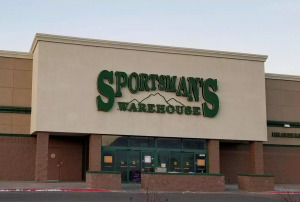
The 112-store chain sells gear for hunting, fishing, boating, camping and other outdoor activities. The Indy-area store will be the its second Indiana location.
A firm that specializes in real estate anchored by groceries has closed on the purchase a 104,678-square-foot shopping center dominated by a Kroger supermarket.

The combination of Indianapolis-based Kite Realty Group Trust and Oak Brook, Illinois-based Retail Properties of America Inc. will create a company worth $7.5 billion that will continue to operate under the Kite name.
Punkin’s Pies Sweet Treats opened this summer in a hot pink shipping container at The AMP at 16 Tech.
Nine of 13 retail categories posted increases in June sales, including solid gains at electronics and appliance outlets, clothing stores and restaurants.
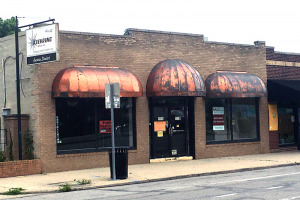
The outpost near the heart of Fountain Square’s business district would be the second-largest of 19 stores in the chain. Two local groups have opposed it, and its hearing for a state liquor permit is set for next month.
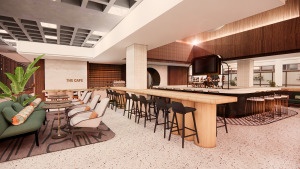
The Hulman restaurant is the result of a partnership with the IMS Museum, which holds rights to Tony Hulman’s name and likeness.
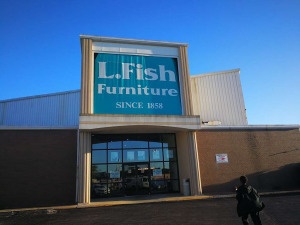
L. Fish, which has operated a furniture superstore on the east side of Indianapolis for decades, traces its roots to a now-defunct Chicago-based parent company that opened its first store in 1858.
The new iteration of an age-old retail concept is gaining traction, particularly with younger consumers, and a growing number of central Indiana retailers are adding the payment option to their websites.

Over the last two years, the Stenz Construction Corp., Third Street Ventures and Pure Development have undertaken a $25 million renovation of the former U.S. Corrugated Box Co. building.
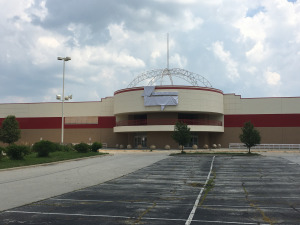
The Fishers Plan Commission voted in favor of a proposal Wednesday that would allow the city council to review, approve and set conditions for certain tenants interested in moving into a building with a floor area of 25,000 square feet or greater.

Total Wine & More, a Maryland-based chain of liquor superstores, opened its first Indianapolis location late last year in Nora after winning a high-profile court battle.