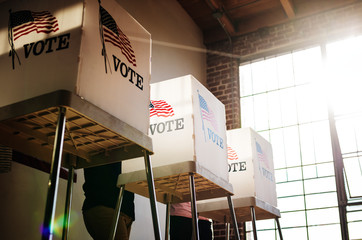
High court strikes down limits on party spending in federal elections, backing Republican appeal
The 6-3 decision upends congressionally enacted limits on raising and spending money to influence elections.
Read MoreThe 6-3 decision upends congressionally enacted limits on raising and spending money to influence elections.
Read MoreIn a vote that scrambled ideological lines, the majority found that a request by police officers for Google to turn over a robbery suspect’s location history constituted a search protected by the Constitution.
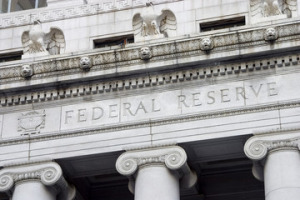
Read MoreThe Supreme Court on Monday dramatically expanded presidential power, upholding President Donald Trump’s firings of the heads of independent federal agencies with one important exception: the Federal Reserve.
In an close ruling, the justices turned aside a challenge by Republicans and Libertarians, who argued federal law preempts a statute that allows the counting of such ballots that arrive up to five days after polls close.
Estimates on Indiana’s Haitian population vary. Some are as high as 50,000, but most put the number in the low tens of thousands.
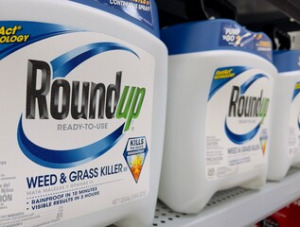
The case came before the justices after a tidal wave of litigation that included some multibillion-dollar verdicts against the global agrochemical manufacturer Bayer.
The justices overturned a lower court order blocking the practice that limited the number of people who could apply for asylum each day.
The justices ruled against a man who was sentenced to 21 months in prison after pleading guilty to selling unregistered securities as part of a scheme involving high-risk penny stocks.
The appeal from telecom giants Verizon and AT&T challenged a combined $100 million in penalties imposed after the FCC determined that the companies had failed to safeguard customer location data.
The federal judge’s order allows all companies that paid the invalidated duties to seek refunds, not just the ones that filed lawsuits.
The case against Lilly centered on the rebates that drug companies must pay to state Medicaid programs to subsidize some of the cost.
The negotiation program was created as part of the 2022 Inflation Reduction Act, which capped years of debate over whether the federal government should be allowed to haggle directly with pharmaceutical companies over the prices of drugs in Medicare.
Supreme Court justices are not “political actors,” Roberts said Wednesday, insisting unpopular court decisions are based solely on the law.
The effect of the ruling may be felt more strongly in 2028 because most filing deadlines for this year’s congressional races have passed.
Billions of dollars are at stake, as well as the future of a chemical the nation’s largest farm group says is so important that ending its use would threaten America’s food supply.
The U.S. Supreme Court refused to block a class action lawsuit that seeks billions of dollars from Bank of America Corp., JPMorgan Chase & Co. and other financial institutions.
The birthright citizenship order, which Trump signed the first day of his second term, is part of his Republican administration’s broad immigration crackdown.
The justices ruled unanimously Wednesday that Cox Communications bears no liability for the illegal music downloads of its customers.
A ruling is expected by late June, early enough to govern the counting of ballots in the 2026 midterm congressional elections.
The Treasury had collected more than $133 billion from the import taxes the president has imposed under the emergency powers law as of December, federal data shows.
Justice Clarence Thomas, writing for a majority, said the federal law that generally shields the Postal Service from lawsuits over missing, lost and undelivered mail includes “the intentional nondelivery of mail.”
What’s going to happen to the money the government has already collected in import taxes that have been declared unlawful? The way forward could prove chaotic.