Indiana regulators to investigate utility profits, bill charges
An affordability report recommends ditching the sales tax on utility bills, other legal changes.
Read More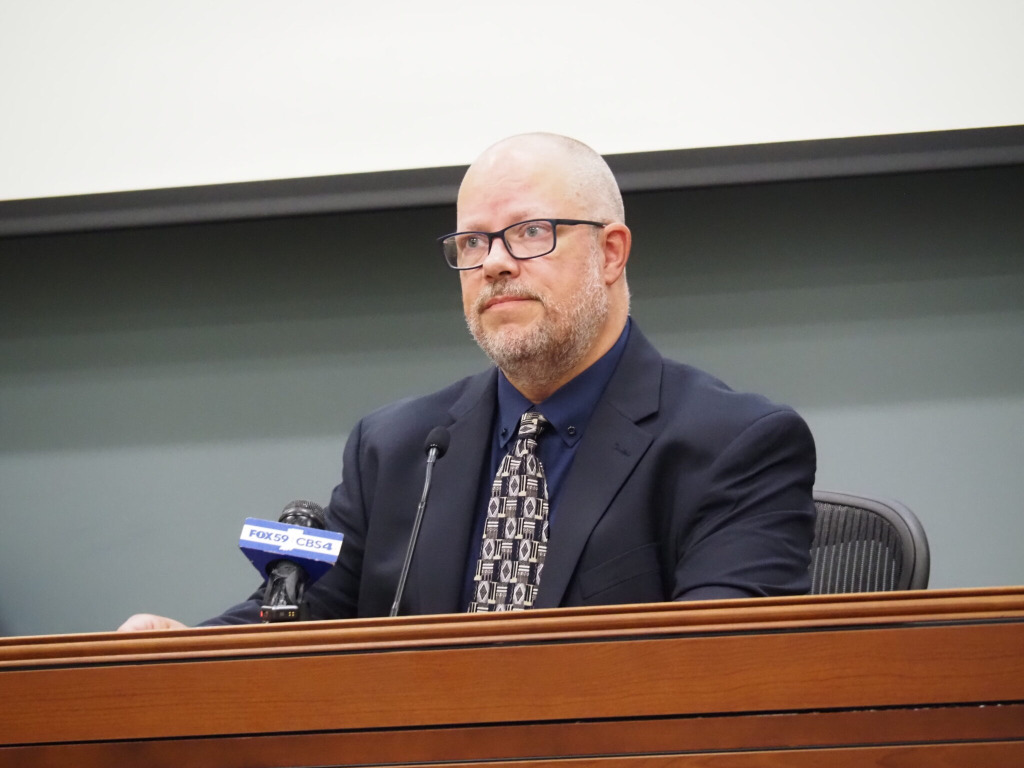
An affordability report recommends ditching the sales tax on utility bills, other legal changes.
Read More
The petition argues that the Indiana Utility Regulatory Commission erred when it voted 3-1 to allow AES to collect an additional $71 million from its Indianapolis-area electric customers through base rate increases.
Read More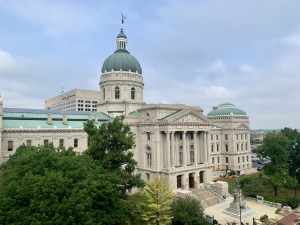
IURC Chair Anthony Swinger promised to exercise a “healthy skepticism” of rate requests from utilities.
The move follows Indiana Gov. Mike Braun’s demotion of IURC Chairman Andy Zay after the agency approved an AES rate hike.
The governor announced on X that he had named Anthony Swinger, who previously worked for the state’s consumer counselor’s office, to the post, demoting Andy Zay, who voted for a rate increase the governor didn’t like.

In a joint statement with Abby Gray, head of the state’s Office of Utility Consumer Counselor, Braun called the Indiana Utility Regulatory Commission’s decision “unacceptable.”
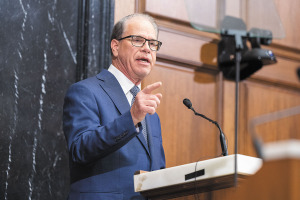
Gov. Mike Braun said he was “deeply disappointed” by the IURC’s approval of an AES rate increase.
The initial settlement agreement called for the collection of about $90 million, an amount that was opposed by the state’s consumer advocate and a ratepayer watchdog group.

The Indiana Utility Consumer Counselor says Duke Energy Indiana over-collected more than $89 million from its ratepayers and is set to over-collect another $86 million annually.
The state’s highest court heard arguments Thursday from the Northern Indiana Public Service Co. and six customers known as the NIPSCO Industrial Group.
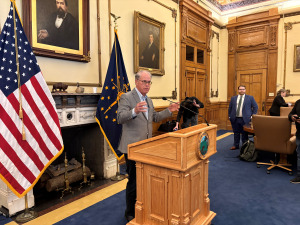
Gov. Mike Braun also discussed whether the state will suspend its gas tax as oil prices soar in the wake of U.S. military action in Iran.
AES Indiana is postponing all of its scheduled open houses this month “out of an abundance of caution” as social media threats against the company continue, a spokesperson said Friday. The company has not released information regarding rescheduled dates.
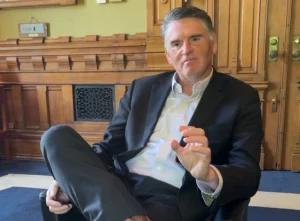
State Treasurer Daniel Elliott on Tuesday said he is “increasingly worried” about the impact of a recently announced deal that would see private equity firms acquire the parent of AES Indiana.
The Tuesday event, which was canceled an hour before it was set to begin, is one of several public open houses scheduled for this month.
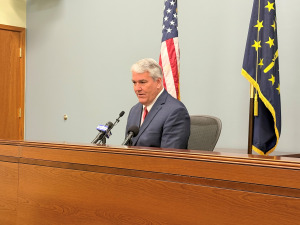
In public hearings next month, the Indiana Utility Regulatory Commission will question the state’s five largest investor-owned utility companies about billing transparency and solutions to rising energy costs.
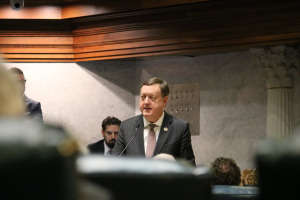
Crime, crypto and more get floor votes, with concurrences or compromises to come.
Two bills from Republican lawmakers could allow businesses, and potentially individual households, to get their electricity from a provider other than their local utility company.
Currently, 10 states hold general elections for utility regulators. Lawmakers on both sides of the aisle think Indiana should join them.
From utility rates to tenderloin sandwiches, here are some bills IBJ is following this legislative session.
As utility companies attempt to bring new power sources online to meet skyrocketing demand, Indiana legislators are considering using performance-based ratemaking to set utility rates.
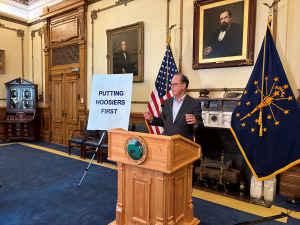
Gov. Mike Braun has said he wants his new picks for the Indiana Utility Regulatory Commission to work to lower energy costs for Hoosier businesses and families.

Indiana utility customer advocacy groups on Tuesday released a slate of ambitious reforms they say would promote affordability for struggling residential and small-business ratepayers.