

Owner of Try It Tiny files bankruptcy, dissolves company
The Airbnb concept for tiny houses was dissolved March 23 with more than $765,000 in outstanding business debt.
The Airbnb concept for tiny houses was dissolved March 23 with more than $765,000 in outstanding business debt.

Sales of existing single-family homes increased dramatically in central Indiana in March despite a global pandemic that limited house shopping. Meanwhile, tight inventories helped propel the median home price in the region to a record.

Indiana took a major hit in expected gambling revenue during March, not only because of closed casinos, but because the cancellation of major sports events severely limited sports betting.
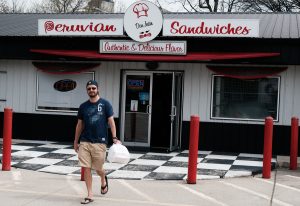
Some local restaurants trying to stay afloat without dine-in service report sales have plunged by two-thirds or more, raising questions about how much longer they’ll be able to survive.
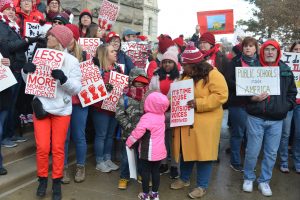
The most pressing education issue in Indiana has quickly shifted from increasing teacher salaries to mitigating how much progress students will lose with school buildings shut down through the end of the academic year.

Asbury, which has eight Indianapolis-area dealerships, said it’s furloughing 2,300 employees across its 10-state operating footprint due to a sharp drop-off in sales and service revenue.

Under Beering’s 18-year-tenure, Purdue University grew its liberal arts programs, promoted diversity and added 20 major buildings. Enrollment of international students grew threefold to become the largest at any public university.

The Indianapolis Symphony Orchestra said it has applied for financial relief through the federal Paycheck Protection Program and advised employees to seek unemployment benefits.

IRT, the state’s largest not-for-profit professional theater, says its insurer refused to cover a “business interruption” claim tied to the coronavirus crisis.

The Indy Parks and Recreation Department would share space in the $20 million center with Community Health Network. But a new wrinkle potentially stands in the way of the project.

The pandemic has been incredibly disruptive for the airline industry, and Republic, a regional carrier, is feeling the pain. The health crisis has led to a “rapid erosion” of Republic’s daily flight schedule.

State officials declined to provide details on specifically how the hotel is being used—including whether it is a treatment site for homeless individuals—to protect patient privacy.

Assessing probability is futile, but public health leaders indicate that fans and leagues should prepare for sports to remain absent not just for the coming months but into next year.

The engine-maker says it will close three Columbus manufacturing sites and one in Seymour until May 4. The news comes a day after the company announced that it would temporarily reduce the salaries of its U.S. employees by 10% to 25%.

We check in with firms of all stripes to learn how they’re seeking to persevere—and how some are plotting to gain a competitive advantage when normalcy returns.

Facing millions of dollars in lost revenue from the COVID-19 outbreak, major arts and cultural attractions throughout Indianapolis are slashing budgets, cutting staff and dipping into reserves or endowments to make ends meet.

For now—although some restaurants can still sell Circle Kombucha with takeout orders—most of the company’s sales are taking place at about 150 grocery stores in Indiana and the region.

Jim Shirley is one small-business executive who isn’t worried about a decline in business during the pandemic. If anything, he’s worried about a surge.
About 60% of the company’s sales typically happen at lunch and are delivered to workplaces, which have been stripped down to only the most essential people.
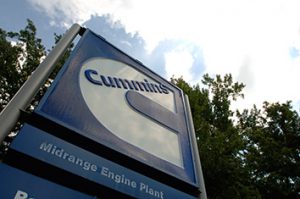
The action affects employees as well as the Columbus-based engine maker’s CEO and board members. The company said it will re-evaluate the temporary pay cuts at the end of the second quarter.