Why Indiana school districts are rushing to put tax referendums on the November ballot
School finance experts estimate 40 to 50 districts could ask voters to approve local property tax measures, driven by a series of changes to state law.
Read More
School finance experts estimate 40 to 50 districts could ask voters to approve local property tax measures, driven by a series of changes to state law.
Read More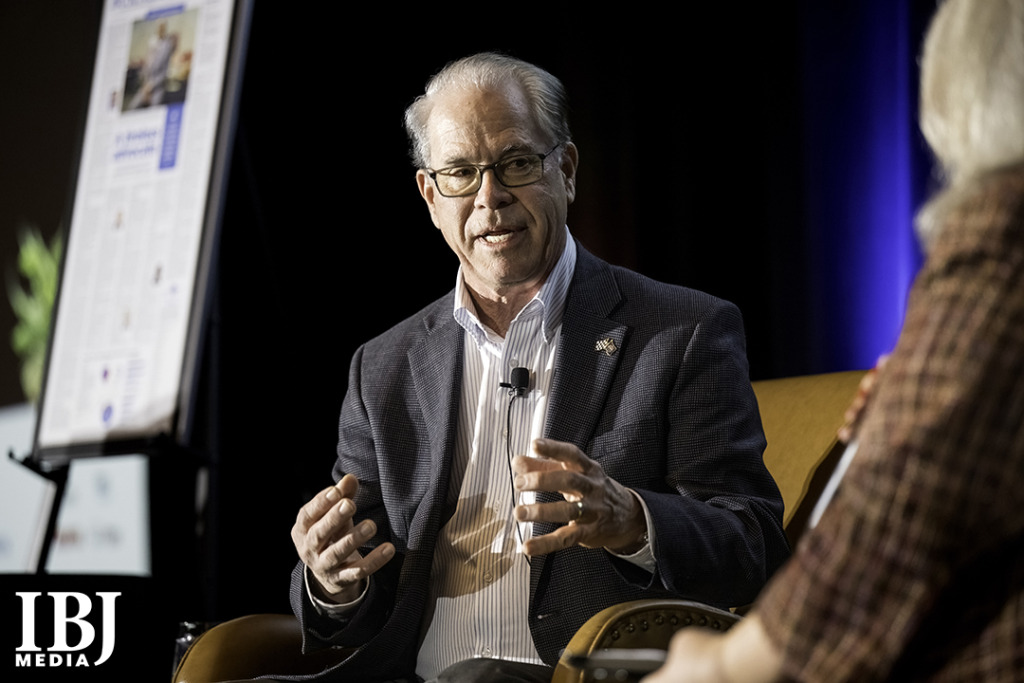
Indiana Gov. Mike Braun said he plans to push lawmakers on property tax relief in the next legislative session, particularly for older adults who’ve paid off their mortgages.
Read More
The bipartisan Legislative Council approved on Tuesday this year’s interim study committee topics, with the Fiscal Policy Committee directed to review the process of determining property values for tax purposes.

Community Health has reached an agreement with the city to make annual payments over the next 25 years instead of paying property taxes on its new six-story, 200-bed hospital tower

After months of asking for relief from the new tax structure imposed by the General Assembly in 2025, local units of government could see some relief under proposed changes to the state’s income tax code this session.
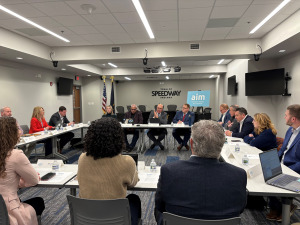
Motivated by rising property tax bills caused in part by rising home prices, Gov. Mike Braun and the Republican-majority Legislature last spring upended the funding structure for local government and forced tough budgeting decisions in cities and towns.

The Post’s editorial board announced the distinction Monday, kicking off what the board says is a new yearly tradition to recognize states that “did the most to improve or otherwise acted in a way worthy of distinction.”

A majority of surveyed superintendents report staff cuts, deferred maintenance and looming referendums.

Recent changes to Indiana’s property tax system will likely cut bills for most Hoosier homeowners, a new analysis has found.
Diminished budgets, staffing reductions and postponed projects were the focus Wednesday as more than a dozen Hoosier mayors and town managers gathered to discuss the effects of Indiana’s new property tax system.
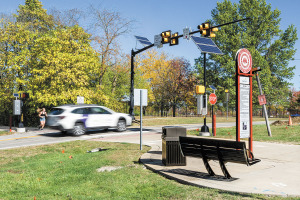
Budget-writing season has been especially difficult this year in many Indiana cities, towns and counties as elected officials grapple with the effects of a new law that overhauled the tax systems that fund local governments.

The Carmel City Council on Monday night heard an introduction of an ordinance that would hold salaries in place for the city’s mayor, judge and city clerk. Council members discussed if whether they, too, should forego a cost-of-living increase.

Experts warn that Indiana’s cities, towns and counties could take a hit to their credit rating through no fault of their own, but rather due to continued fallout from the state’s effort to curb property tax growth.

Much of the discussion surrounding property tax reform has focused on schools, law enforcement and local government. But libraries are also in line to see impacts from legislation cutting property taxes.

A local firm with plans to build a 46-unit apartment project north of downtown Indianapolis soon could have the means to request up to $2 million and change in city funds to help finance the development.

Assessed values for commercial and industrial properties grew at a higher rate than those for residential, according to the study assembled by the Department of Local Government Finance.
Municipal government leaders across Indiana are going pale in the face while they review budget forecasts for the next few years as a sweeping property tax relief law takes effect.
Local governments could lose significant property tax revenue under a case heard by the Indiana Supreme Court on Thursday about how much land falls under the state’s 1% tax cap for homesteads.
Legislators determined to cut property tax bills for homeowners and businesses are set to leave local officials with difficult choices about whether to cut services or raise income taxes to make up for substantial funding gaps.
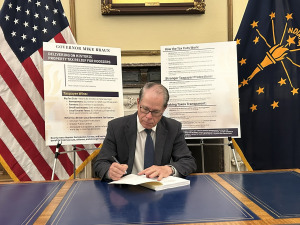
About 15 hours after the Indiana Senate approved a high-profile property tax bill, Gov. Mike Braun signed the legislation, codifying his campaign promise of providing widespread relief to Hoosier homeowners.

The high-profile property tax legislation has been criticized both for not providing enough homeowner relief and for reducing revenue for local governments.
The governor and legislative leaders have for weeks gone back and forth on the key components of Senate Bill 1.