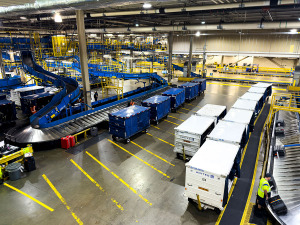
Airport’s $140M overhaul of baggage handling will be ‘much smarter system’
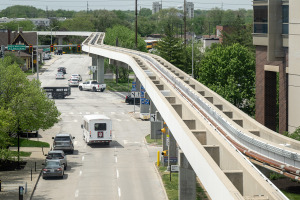
The sprawling and complex series of conveyors, security monitors and other machinery that moves thousands of checked bags each day is nearing the end of its useful life.
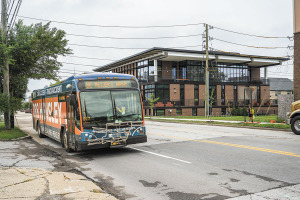
Indianapolis’ public transit agency will increase basic fares 57% in 2026, marking the first time the cost has changed since 2009. IndyGo’s board unanimously approved the hike Thursday, along with the agency’s budget for 2026.
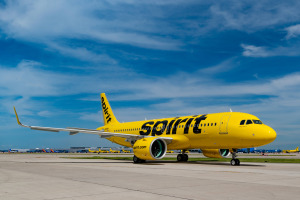
Spirit—which flies to eight cities from Indianapolis—pointed to “adverse market conditions” that it’s continued to face after a recent restructuring and other efforts to revive its business.
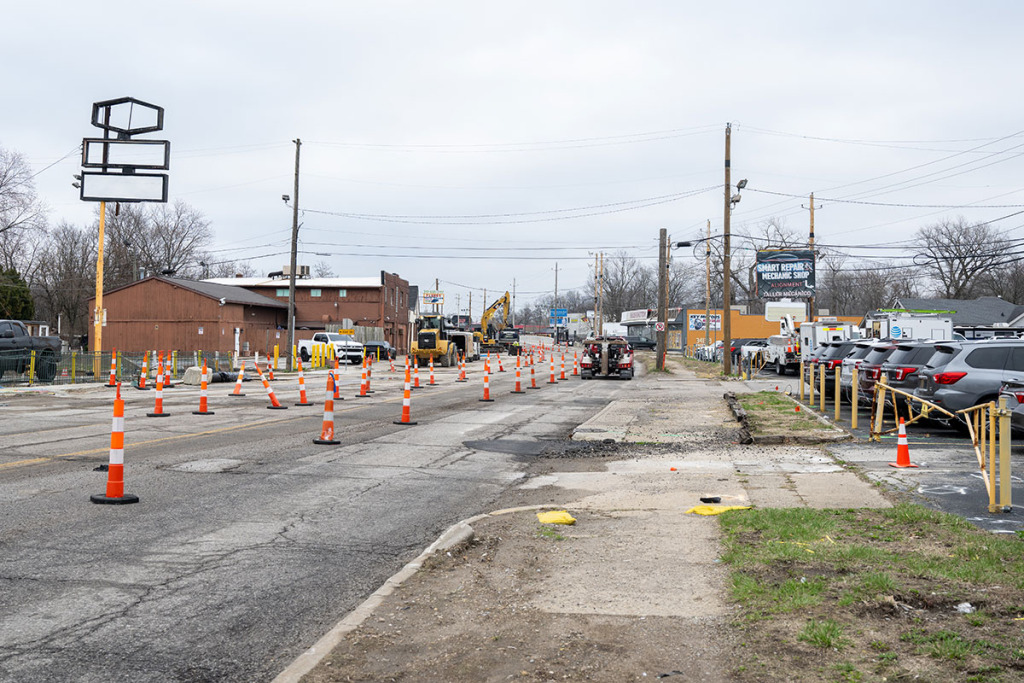
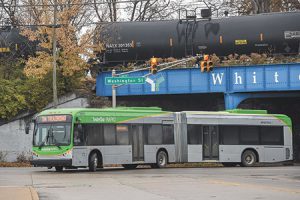
Development restrictions along the route of IndyGo’s future Blue Line intended to foster transit-oriented development have created difficulties for two projects along East Washington Street.
Officials with the Indianapolis public transit system said the proposed increase would be the first since 2009 and is necessary to account for inflation and the increased cost of operating buses.
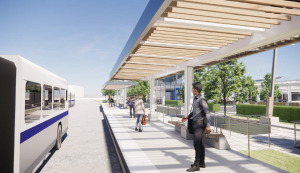
The Blue Line, IndyGo’s third rapid-transit bus line, will run 24 miles east and west along Washington Street, connecting the Indianapolis International Airport on the city’s west side to Cumberland on the east side.
Although the White House’s planned federal funding freeze was temporarily paused by a judge late Tuesday afternoon and rescinded Wednesday, it’s already delaying some central Indiana-based projects.
IndyGo estimates the 24-mile route, which is planned to run east-west through the center of Indianapolis, will be open for service in 2028.
Beginning next year, the Safe Streets and Roads for All funds will be used to study and redesign six road segments in Indianapolis.
The improvements to the 4.7-mile, crash-prone stretch of roadway will include lane reconfigurations, dedicated bus lanes, new sidewalks and crossings, signage, ADA-compliant curb ramps and new traffic signals.
Indiana House Speaker Todd Huston, R-Fishers, announced Thursday that the House would not consider a bill that officials with IndyGo say would kill the planned Blue Line bus rapid-transit line.
The discussion comes amid a debate over plans by IndyGo—the city’s public transportation agency—to create bus-only lanes on Washington Street (previously U.S. 40) as part of its planned Blue Line rapid-transit service.
Lawmakers on the Indiana House Roads and Transportation Committee heard nearly three hours of testimony Tuesday on Senate Bill 52, mostly from opponents who said the legislation would jeopardize the future of the planned Blue Line bus line and cause Indianapolis to lose out on $150 million in federal infrastructure improvements.
Republican Sen. Aaron Freeman said the bill will give a state task force the chance to study the benefits of shared bus-car lanes versus dedicated bus lanes, but opponents say it’s a deliberate attempt to kill the project.
After initially voicing their opposition to IndyGo’s plans to construct a dedicated bus line along Washington Street for the Blue Line, three Irvington business owners are changing their tune.
The bus rapid-transit system is one of the best tools in ensuring all students have equitable access to high school options.
House Speaker Todd Huston says legislation that would bar IndyGo from using dedicated bus lanes for the Blue Line merits consideration.
A state senator known for filing legislation aimed at IndyGo has introduced a measure targeting the transit agency again in 2024. IndyGo says the bill, if passed, would kill the proposed Blue Line.
Jennifer Pyrz, chief development officer for IndyGo, will become interim CEO after Evans’ departure.
The state’s 65 public transit systems recorded 20 million passenger trips in 2022, up significantly from 17.2 million in 2021. But that’s still well shy of previous highs.