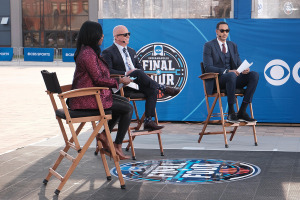
Throughout March Madness, tourism and sports leaders entertained dozens of prospective clients, pitching the city as a safe place for those groups to host their own big events.
Craig Huse of Huse Culinary, which operates St. Elmo, issued a statement on social media Wednesday night in which he said the restaurant was “mourning the loss of a longtime, valued employee and genuinely great person, who had a huge heart and a glowing smile.”
The House version of the budget, which passed in late February, included a cigarette tax increase of 50 cents per pack—and even that wasn’t nearly as much as tax advocates had hoped for.
NCAA Senior Vice President of Basketball Dan Gavitt said the successful tournament held primarily in Indianapolis and exclusively in Indiana could create a late-round model for future tourneys.
About 16% of Marion County residents were fully vaccinated as of Saturday, said health director Dr. Virginia Caine on Tuesday. The goal is 80%, before variants of COVID-19 become more widespread.
We hoteliers welcome the business that the NCAA has brought but worry about what the future holds. To use a metaphor many people are experiencing these days, the tournament was a shot in the arm, but does not inoculate us against continued losses.
Indianapolis-based Demandwell announced Tuesday that is has become a High Alpha Venture Studio portfolio company as it launches its new SEO software platform.
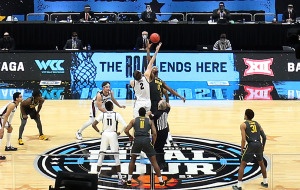
Randy Fishman had the best seat in the house for Monday night’s championship, located courtside and smack dab in the middle. Friends watching the game on television would have seen him just above the black line running across midcourt.
With the NCAA Men’s Basketball Tournament, we were able to show that Downtown Indianapolis is just as vibrant as ever. Now, don’t retreat back inside as basketball fans leave our fair city.
With no nearby direct flights to Indianapolis available, Baylor University and Gonzaga University fans had to go well out of their way to attend the culmination of the 2021 NCAA men’s basketball season Monday night.
I can confidently say that bringing the buzz of college basketball back to our city was only possible through the everyone’s efforts to mask up, socially distance, and operate within the constructs of necessary public health orders. We must not let up now.
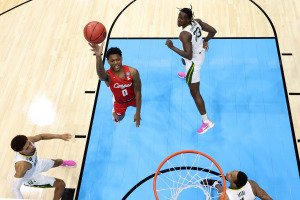
The meeting Monday is one most hoops fans have waited for all year — two years, really — a matchup between two teams who have been on a collision course since the bracket came out.
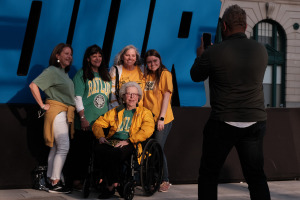
At age 84, the affable, silver-haired Bobby Plump remains one of the state’s top basketball ambassadors and nothing, not a pandemic or an unprecedented NCAA Tournament, can keep those yearning to meet him away.
Many point to the 1987 Pan American Games, and more recently the 2012 Super Bowl, as pivotal moments in Indy’s now 200-yearlong history. Without question, March 2021 is forever cemented on the timeline.
We all know that adversity is part of the game. And unfortunately, that is where we find ourselves as a community today—dealing with some pandemic-related economic adversity, but also with a golden opportunity to rebound and showcase our teamwork, resiliency and dedication.
About 2,000 health care, public safety and hospitality workers were on the floor or seated nearby for Miley Cyrus’ musical tribute on Saturday night at Lucas Oil Stadium.