Two out-of-state companies that want to build a 60-bed hospital in Carmel have a history of mass layoffs, at least one high-profile bankruptcy, and accusations of kickbacks and billing irregularities.
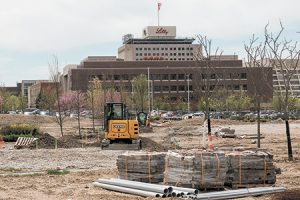
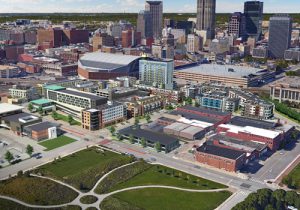
The city’s newest park is springing up on the south side of downtown, a district quickly filling up with apartments, offices and retail—and a noticeable shortage of public green space.
A bill advancing through the General Assembly would allow PTs to be regulated by their peers, a move that would remove much of the medical hierarchy from the process.
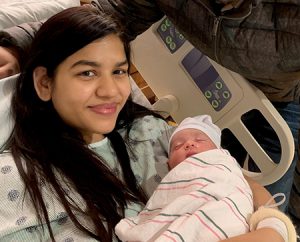
For hospitals, maternity care builds relationships with young families that often last for decades. About 40 percent of women experience their first encounter with hospitals for reproductive services.
Starting Jan. 1, every U.S. hospital will be required to post standard charges online for every item and service they provide, from bandages and drugs to operating rooms and organ transplants.
It’s the foundation’s first capital campaign since 2010, when it raised $200 million. The money will be used for pediatric research, patient care, maternity and newborn health, and family support programs.
During the past 20 years, Riley Children’s Foundation has raised $500 million, the majority of which has been spent for pediatric research and patient programs at Riley Hospital.
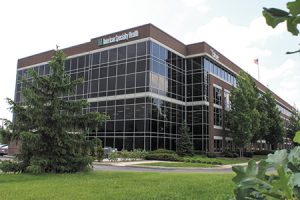
Carmel-based American Specialty Health specializes in connecting patients with chiropractors, acupuncturists, physical therapists and others who treat pain without using pharmaceutical drugs.
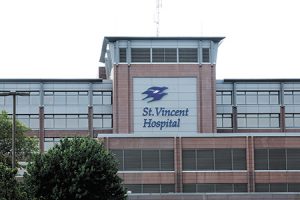
St. Vincent, one of the oldest and most familiar names in Indiana’s hospital landscape, is about to undergo the most sweeping rebranding in its history.
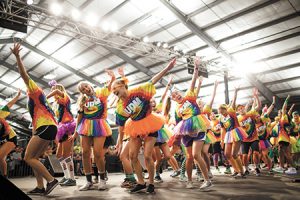
The YMCA of Greater Indianapolis has been on a growth spurt the last decade. And now, with 12 facilities, it is one of the largest corporate chapters in the country.
The agreement means that Anthem members will not have to pay extra out-of-pocket costs to use one of St. Vincent’s neighborhood hospitals that are springing up around central Indiana.
The project will bring 400 additional apartment units, nearly 29,000 square feet of retail space and 19,000 square feet of office space to the southeast side of downtown when work concludes in fall 2019.