
Paul Ashley: Benefits renewals could set tone for COVID recovery
For employers, health benefits can seem like a black box even in the best of times. The pandemic made things even more confusing.
For employers, health benefits can seem like a black box even in the best of times. The pandemic made things even more confusing.
Outgoing Indiana Attorney General Curtis Hill wants states to be able to deny married same-sex couples the right to be recognized as parents of their children.
Homeownership is one of the most valuable opportunities to build wealth, but that opportunity is dependent on access and affordability. Everyone must have equal access to affordable housing and financing in order to participate in the American dream of homeownership.
Other major research universities in college towns are already making this kind of push into the heart of nearby major cities.
Not-for-profits wouldn’t exist without the tremendous support we receive from local communities. We depend on your time, money and talent.
We must find new ways to extend higher education outside of urban-centric areas and support health care access in all communities across the state.
After 244 years, the United States joins the list of countries with a woman in or near its top job. One can wonder why it took so long for America to crack the code, but Harris has done it, becoming the first woman and the first Black Asian American to be elected vice president.
As the weather gets colder and COVID cases spike, employees returning to the office before January looks less and less likely. The challenge is how to optimize the opportunities that this transformation has opened and to create innovative changes in the workforce of the future.
Despite Donald Trump’s sneering disinclination to help “mismanaged blue cities,” the current state and local government financial crisis is a result of the pandemic, not incompetent governance. And this crisis isn’t limited to Democratic jurisdictions.
Problem-solving is the heart of innovation. Few people are better problem solvers than those working in manufacturing.
As we continue to work together to enable children and adults to return safely to school and work, we must prioritize addressing the underlying factors that have resulted in the racial disparities exposed by the pandemic.
An “all of the above” approach should include investments not only in innovative renewable technologies, such as wind and solar, but also in dependable low-cost natural gas, to ensure adequate energy is available when each and every customer goes to turn on the lights.
We’ve often embraced a consensus history, one devoid of conflict. A bloody civil war becomes a noble cause. The white supremacy that began in 1619 to build the largest system of forced labor in world history becomes a sidebar with modest significance. Such myths are prerequisites for so-called patriotic history. They comfort us, at least until we understand them as simple propaganda ill-suited to democracy.
It’s starting to get cold, and I fear what will happen when coronavirus fatigue meets winter. Gov. Eric Holcomb’s first executive order declaring a public health emergency was issued March 6, with spring right around the corner. But winter presents a new challenge. By Sept. 30, the virus had reached all 92 Indiana counties, with […]
Accustomed to coming together in assembly, we have learned to promote a sense of community from our separate living, dining and family rooms, from our patios and back yards. This outreach has been of immeasurable value, particularly to those who are unable to be together physically.
Pre-pandemic, Indiana Department of Workforce Development data indicated that 80% of in-demand jobs over the next decade would require some level of college. This number will likely rise as businesses accelerate adoption of new automation and artificial intelligence strategies to avoid future disruptions.
To those businesses who continue to keep thousands at home and away from downtown, why? Indianapolis desperately needs your employees to return.
The CDC and the World Health Organization have warned that the upcoming influenza season could be severe, and that its arrival during the COVID-19 pandemic could lead to increased sickness and death.
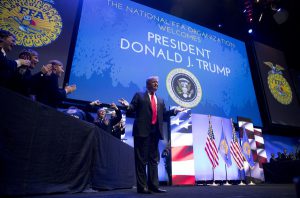
Some of us fear the Democratic candidate’s positions on a number of issues, both foreign and domestic. However, I believe the long-term damage Trump would do our democratic republic form of government is more worrisome than policy differences.
Let’s face it. A vote for Trump is a vote for a man we suspected four years ago would not be worthy of our trust. The only difference now is that we know for certain that Trump is not worthy of our trust. We cannot plead ignorance.