

Prospects for 14th Indiana casino remain an unsure hand
As the dust settles on House Enrolled Act 1038, questions are beginning to emerge about the next steps for turning legislation into a new casino in northeast Indiana.

Jeffery Tompkins spoke to IBJ about his philosophy on urban design and planning and what Indianapolis and the field of urban planning get wrong.
Read More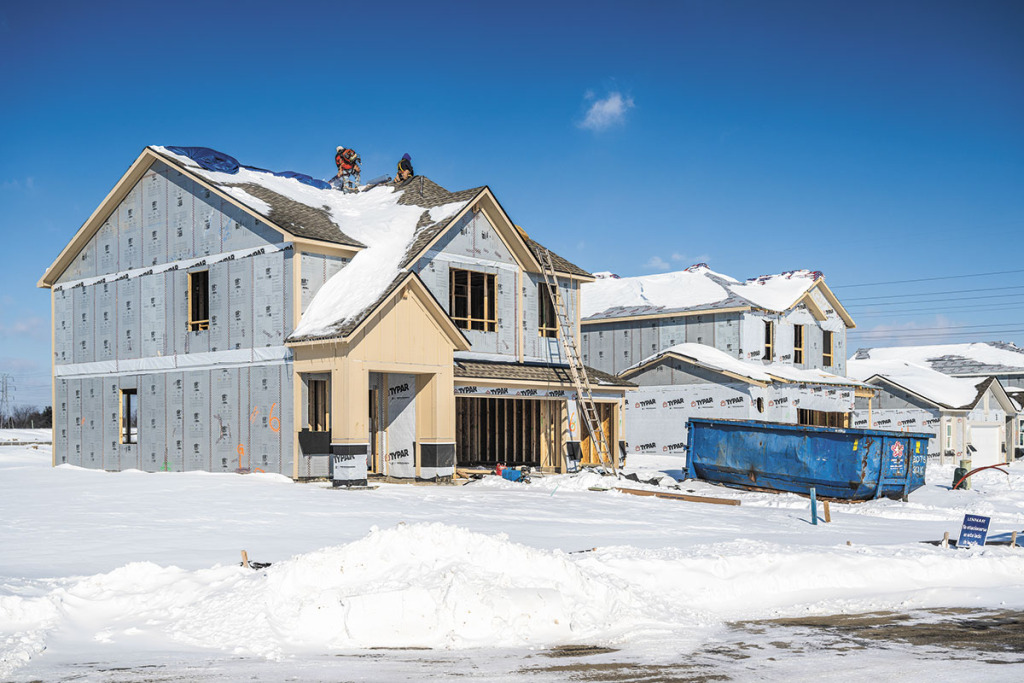
House Bill 1001 would allow single-family houses and duplexes to be approved without a hearing in areas that are zoned residential.
Read More
Professional sports experts say past NFL stadium deals might offer Indiana lawmakers a few clues to what a Lake County deal could mean for both the team and the state.
Read More
In some ways, social media platforms are unlike traditional media platforms, such as radio and television. In other ways, they are very similar.
Read More As the dust settles on House Enrolled Act 1038, questions are beginning to emerge about the next steps for turning legislation into a new casino in northeast Indiana.

Surrounded by dense residential developments and workplaces, the plaza was a buzzy spot when it opened in 2018. Eight years later, it is more frequently a loitering spot, where people have been known to abuse drugs and alcohol.

HEA 1177 expands the tax credits available to businesses that help employees with the cost of child care. SEA 4 allows but does not require FSSA to use dollars from the Financial Responsibility and Opportunity Growth fund on child care vouchers.
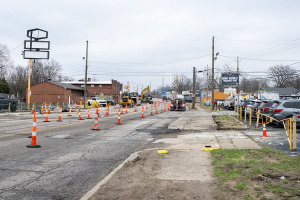
A transit-oriented zoning overlay designation seeks to limit car-focused uses along the corridor, but the street is crowded with used car lots, auto repair shops and tire stores.
Efforts to attract the Bears across the Illinois border received widespread, bipartisan support. But other items lawmakers tackled were contentious.
The Indianapolis-based nonprofit wants to invest $150 million in young Indiana companies who need help to scale their businesses.
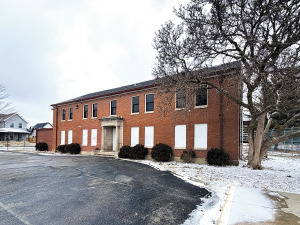
City leaders and stakeholders have begun soliciting input and considering options but recognize that years of planning lie ahead.

Lobbyists for billboard companies have recently sought to deregulate the space through state legislation, rather than fighting with local officials who have so far been unwilling to give in to their requests. The debate has spanned several years.
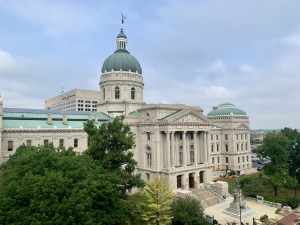
The bill requires the Indiana Economic Development Corp. to set aside $50 million in tax credits — out of the agency’s total allotment of $300 million — for specific regional items. It also establishes rules for the state’s new drone-testing site.

House Bill 1333 would require data center developers that receive sales tax exemptions to give 1% of the abatement to local governments.

Critics say the township model is outdated and inefficient and adds an unnecessary layer of government. Legislation from both chambers of the Indiana Statehouse would pare down township government.

The group wants the city to dedicate funding to buy forested areas, to protect them from private development.
Gov. Mike Braun signed an executive order for state agencies to keep businesses in mind when setting environmental rules. That directive could soon materialize in changes to rules governing the Indiana Department of Environmental Management.
New Democratic leaders say they want to concentrate on policymaking, collaboration and transparency.

It’s been almost five years since the city joined sustainability-minded municipalities in passing an ordinance that requires owners of large buildings to report their annual utility use. Today, most building owners aren’t complying.
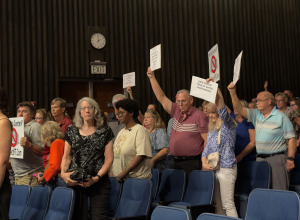
Trump is attempting to ease voters’ concern over the AI build-out as the politics of data centers is rapidly shifting against Silicon Valley and lawmakers who support its push to quickly build hulking structures nationwide.
For 2026, the plan features significantly lower out-of-pocket costs for members who use the plan’s “narrow network” that limits choice.
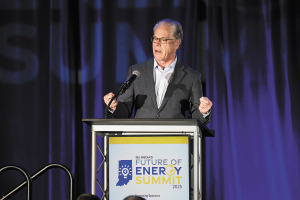
Gov. Mike Braun has made energy a centerpiece of his first year, but his focus isn’t only about generating more electricity to feed growing demand from economic development. He also wants to lower the price of power for business and residential consumers.

A year after a $450,000 contract intended to help shape development for historic Indiana Avenue expired with no published results or recommendations, the city of Indianapolis has hired a new contractor.
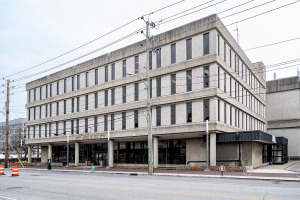
For 20 years, every mayoral administration has explored taking over or facilitating the sale of the post office directly east of Lucas Oil Stadium—with each attempt failing to gain traction.