
IndyGo in line for nearly $45 million in federal COVID-19 relief
IndyGo is among transit operators nationwide that will share $25 billion in federal aid as part of the Coronavirus Aid, Relief and Economic Security Act.

To refine your search through our archives use our Advanced Search
IndyGo is among transit operators nationwide that will share $25 billion in federal aid as part of the Coronavirus Aid, Relief and Economic Security Act.
Most firms have just begun to wrestle with what they—and their workers—will face.
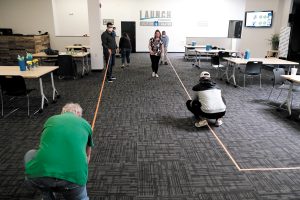
Restaurateurs say protective measures and uncertainty about the lingering pandemic might chill the influx in revenue the industry is hoping for once restaurants are allowed to resume dine-in service.
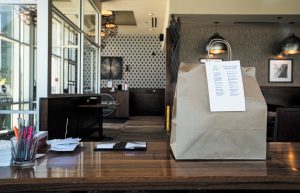
Some lawmakers and policymakers have complained that Paycheck Protection Program loans ended up in the hands of larger, publicly traded companies at the expense of small businesses that need them most.
The Fishers-based company’s latest acquisition realizes its transition from a niche repair firm for ultrasound components to a multinational imaging-machine supplier.
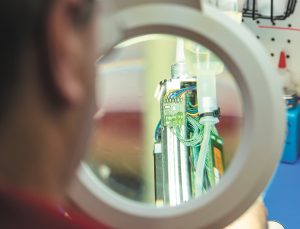
Many employees have traded in-person meetings and conversations for emails and videoconferencing—something many experts say likely will continue long after social distancing requirements are relaxed.
The cold, hard fact is that putting a value on human life is unavoidable.
The reality is, a financial crisis was destined to strike your household at some point.
It’s no surprise that those of us who see the arts as a core part of our identity are finding ways to connect with creative expression even when we can’t gather in theaters, in the studio, on the street or in the gallery. We stream performances, collaborate remotely or document life at home.
To overcome this crisis, we need to balance regulations that protect Indiana’s health with the freedom of private individuals to develop indispensable solutions.
Deep down, my view is that we should fire every single politician in Washington.
Supporters of a vote-by-mail system are hopeful the temporary expansion in Indiana opens the door for a permanent no-excuse policy.
The son of a coach, Rivers and his wife have enough children to field their own flag football team.

Two claims survived, and U.S. District Judge James R. Sweeney II gave Dixon time to amend three others that had been dismissed.
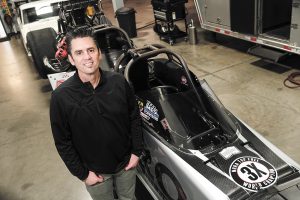
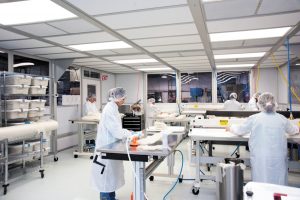
Mursix is producing 500,000 face shields a week. Buyers include hospitals, the state of Indiana and nursing homes.
What I miss most is actually my people. My sweet, sweet colleagues. The lack of this serendipitous community has left the biggest impact on my body—a hole in my heart.
No one quite knows how this reopening of the economy will go—or, frankly, the best way to make it happen. So business owners must plan carefully, always with an eye to balancing the safety of workers and customers with the need for our economy to get moving again.
Dr. Cole Beeler knows people are itching to get back to business and resume their normal lives. But he warns employers and workers not to rush back to the old way of doing business, at least not all at once.
From production routines and work schedules to health screenings and visitor policies, Hoosier manufacturers say COVID-19 has forced them to rethink how they operate.
Michael Maurer and Bob Schloss, who have owned IBJ Media since 1990, have reduced their ownership stakes to 25% apiece.