

Restaurants eating up federal COVID relief
As the pandemic subsides, local eateries are hopeful that a new coronavirus relief program, the Restaurant Revitalization Fund, will help them emerge intact.
As the pandemic subsides, local eateries are hopeful that a new coronavirus relief program, the Restaurant Revitalization Fund, will help them emerge intact.
Discussion and debate at Friday’s IBJ Tech Power Panel event focused largely on how companies can do a better job recruiting and hiring diverse employees, as well as the ability of diverse entrepreneurs to raise venture and growth capital from a cadre of investors who largely remain white and male.
The Restaurant Revitalization Fund will provide up to $10 million per recipient to qualifying restaurants, bars, food trucks, caterers, and other eligible recipients based on their pandemic-related revenue losses.

The federal grant program, part of a larger pandemic relief effort, officially launched April 8, but its application portal crashed within hours because of technical problems. The portal is set to reopen Saturday.
Businesses are looking for the Shuttered Venue Operators Grant program, which had its launch derailed last week because of technical problems with the application portal, to reopen soon.
The state has an estimated $3 billion in federal funding coming its way. IBJ decided to ask what would happen if officials did something big and bold with the money.

For nearly a decade, voices across Indiana have raised warning flags about the need to repair the state’s aging water-utility systems and make plans to meet the growing water demand.

Most Indiana leaders and politicians agree that providing every Hoosier with a high-speed broadband connection is a worthy goal, if not a high priority. But they disagree over how to accomplish and pay for it.
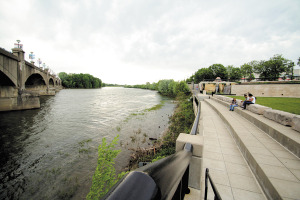
Improving a 58-mile stretch of the White River and taking advantage of the natural resource that flows through the Indianapolis area has been on local leaders’ wish list for years.
Unlike many other states, Indiana has its fiscal house in order so this federal money is a rare opportunity for thoughtful new investment.
It is up to the state to get relief into the hands of those who need it most.
DroneDek, an Indianapolis-based startup, said it has raised more than $1.25 million to support its upcoming product launch.
Unless a founder is independently wealthy, she can operate for only a limited time with her own savings. Securing pre-seed capital is extremely difficult for founders without access to networks of affluent people conditioned to write checks for risky ventures.
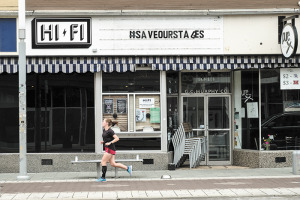
About 60 entertainment stages, bars and studios across Indiana have joined forces in a new association to fight for government assistance they say is needed to survive.
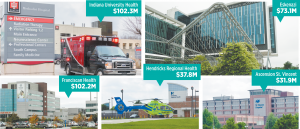
Some are asking whether coronavirus aid funds are flowing to the neediest hospitals, or to those that already have deep financial resources, as the money is doled out to thousands of institutions nationwide.
The funding is intended to help the state navigate the pandemic, and state officials are slowly rolling out plans to spend it—while holding a sizable portion back in case COVID-19 roars back.

The funding is going to businesses that need assistance paying their employees or rent, to organizations helping families pay their mortgage or buy groceries, and to companies bearing pandemic-related expenses.
The Allos III fund has already invested in eight technology companies, and Allos officials said the fund could invest in up to 30 across the Midwest.

Venture capital is supposed to be the lifeblood of fast-growing tech startups. But a handful of Indianapolis-area companies are defying that widely embraced mindset.
The Indianapolis-based broadband provider raised the funds from some of its member-owners and a new owner: Wabash Valley Power.